Moussem Sidi Ahmed Oulmaghni
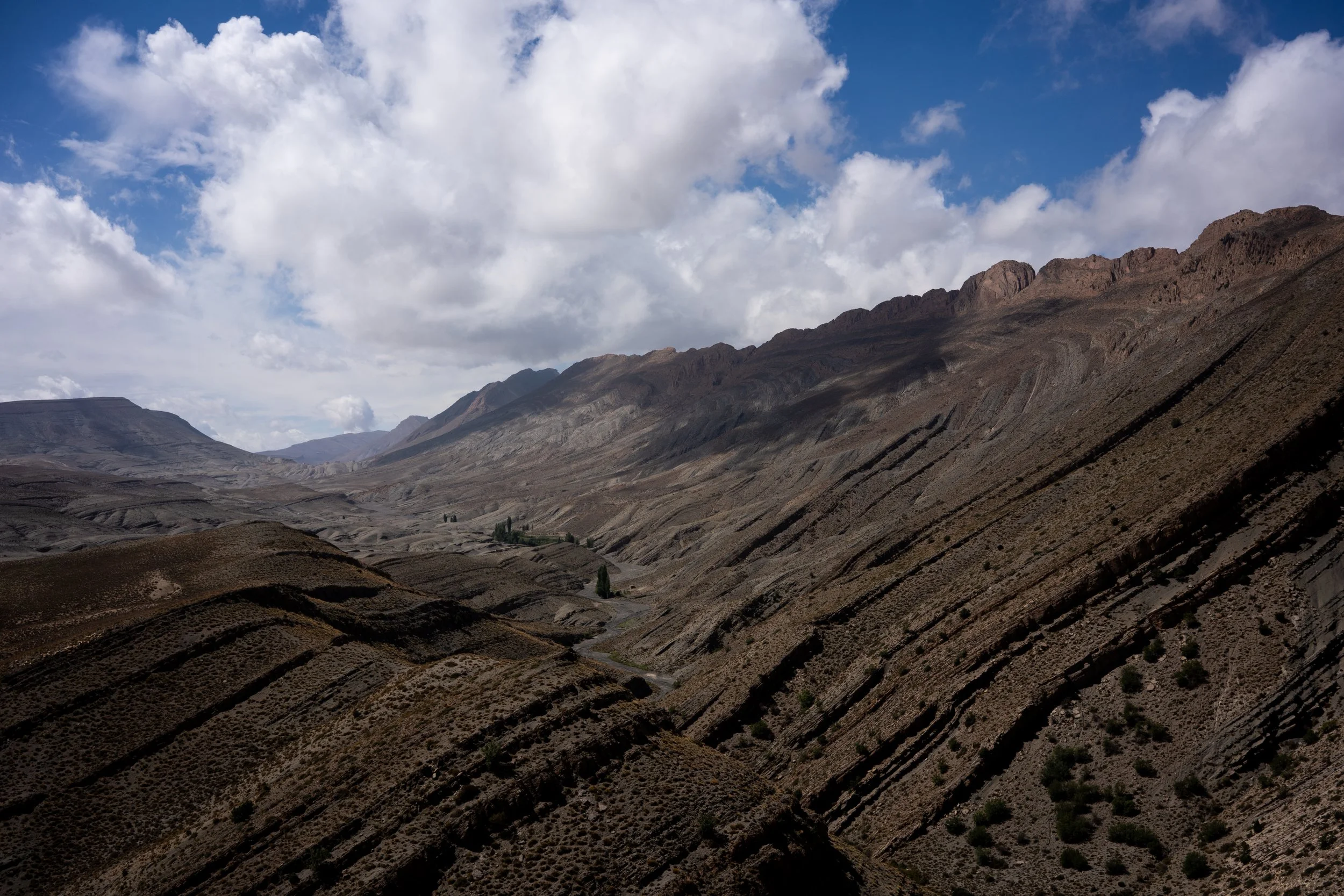
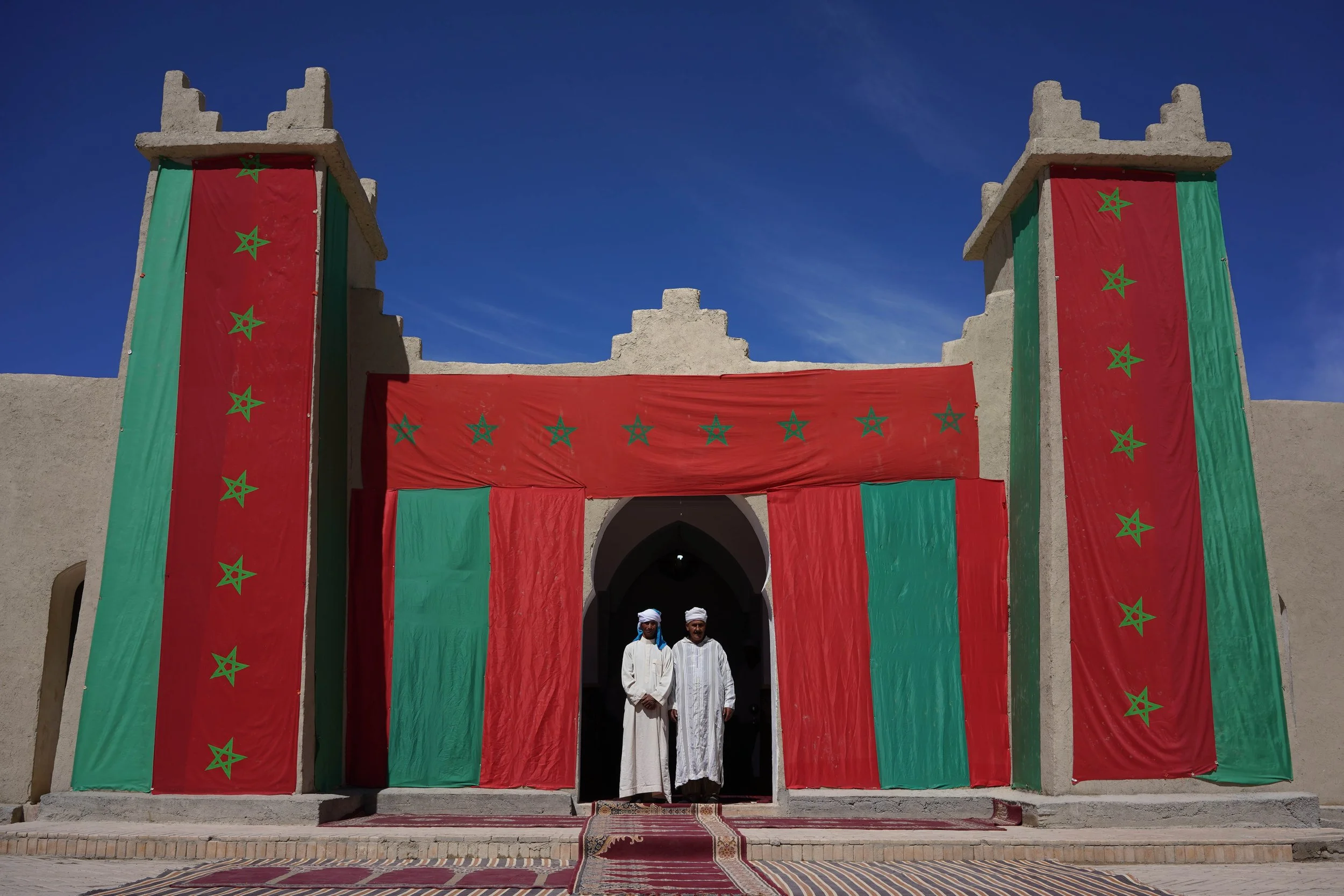
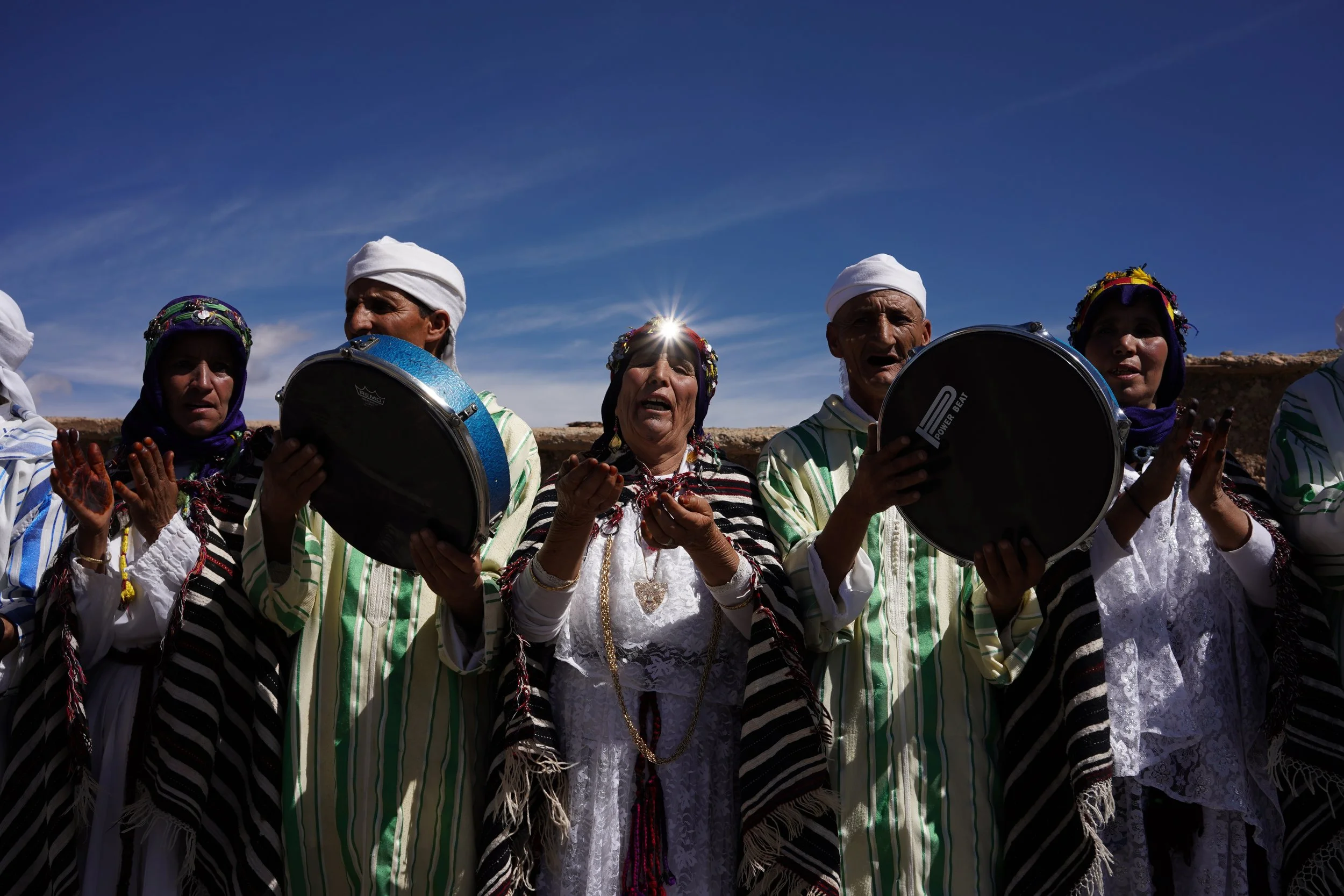
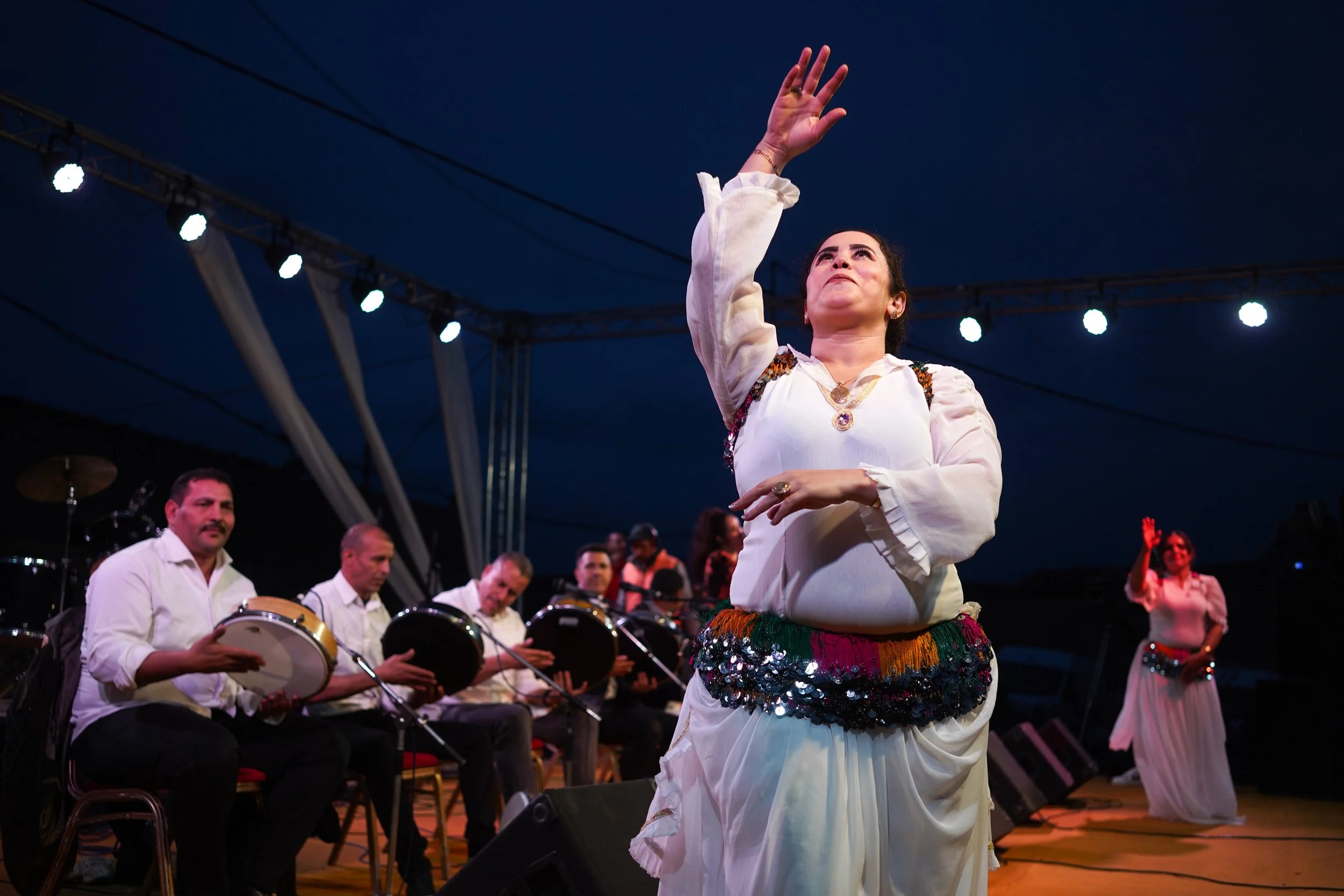
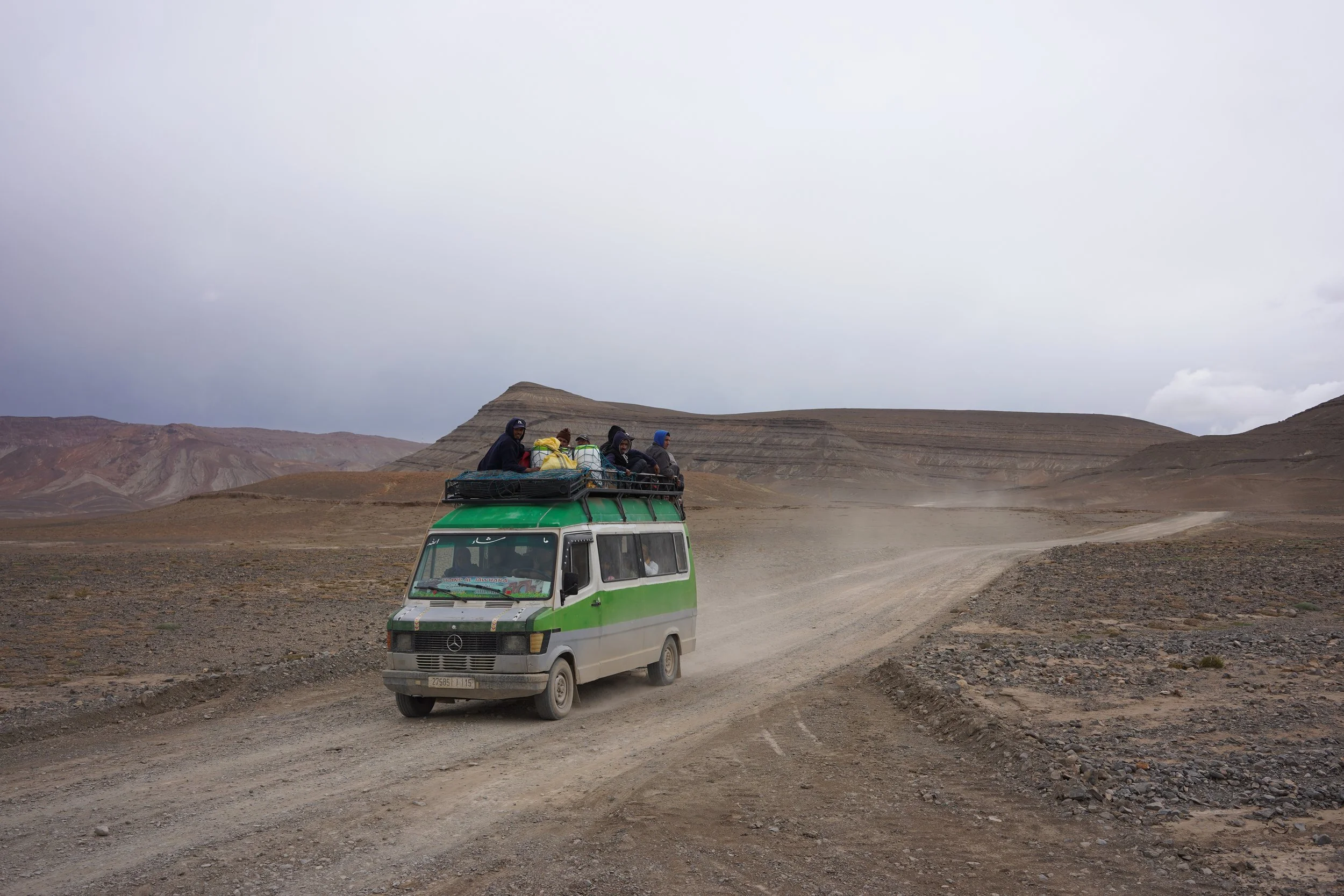
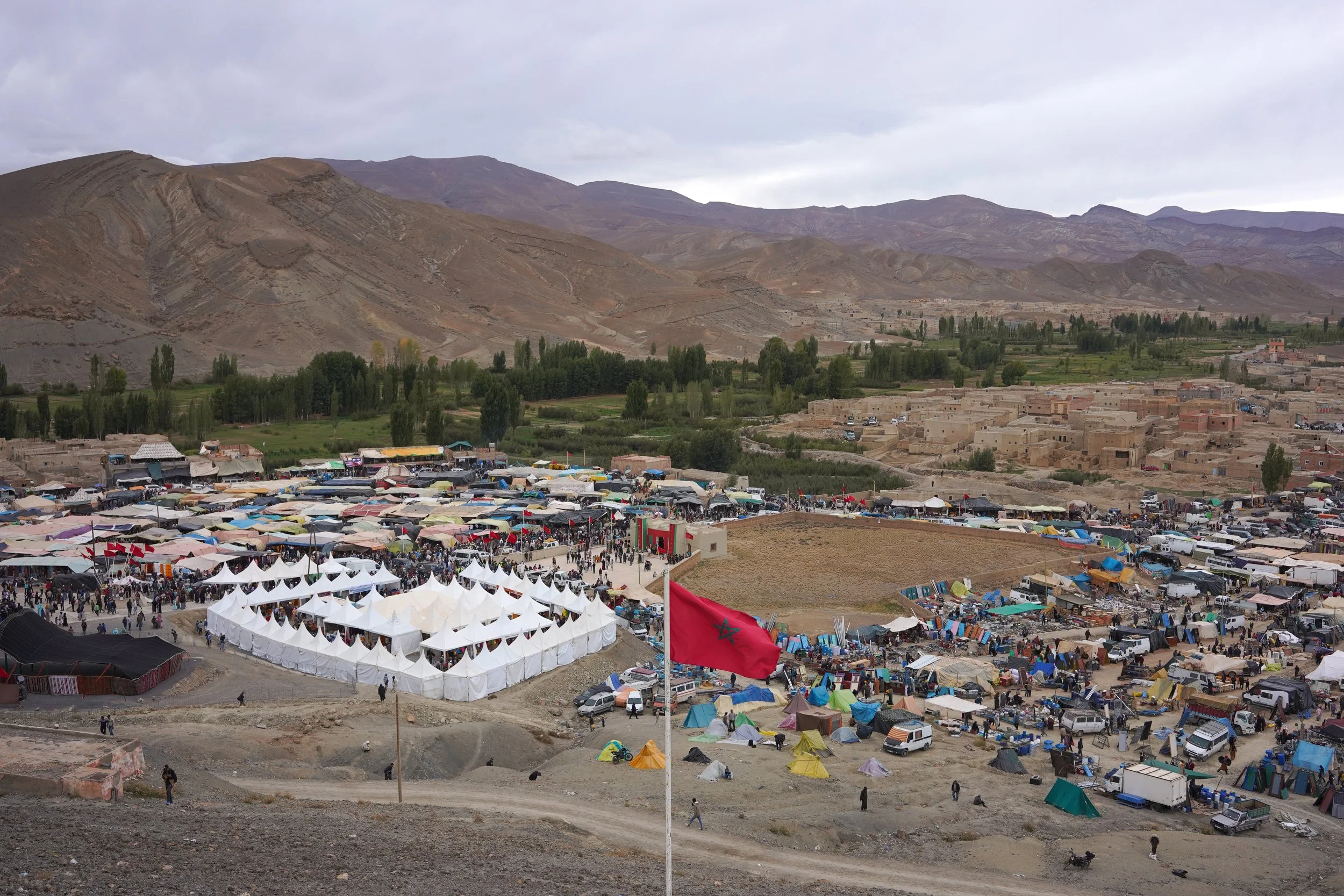
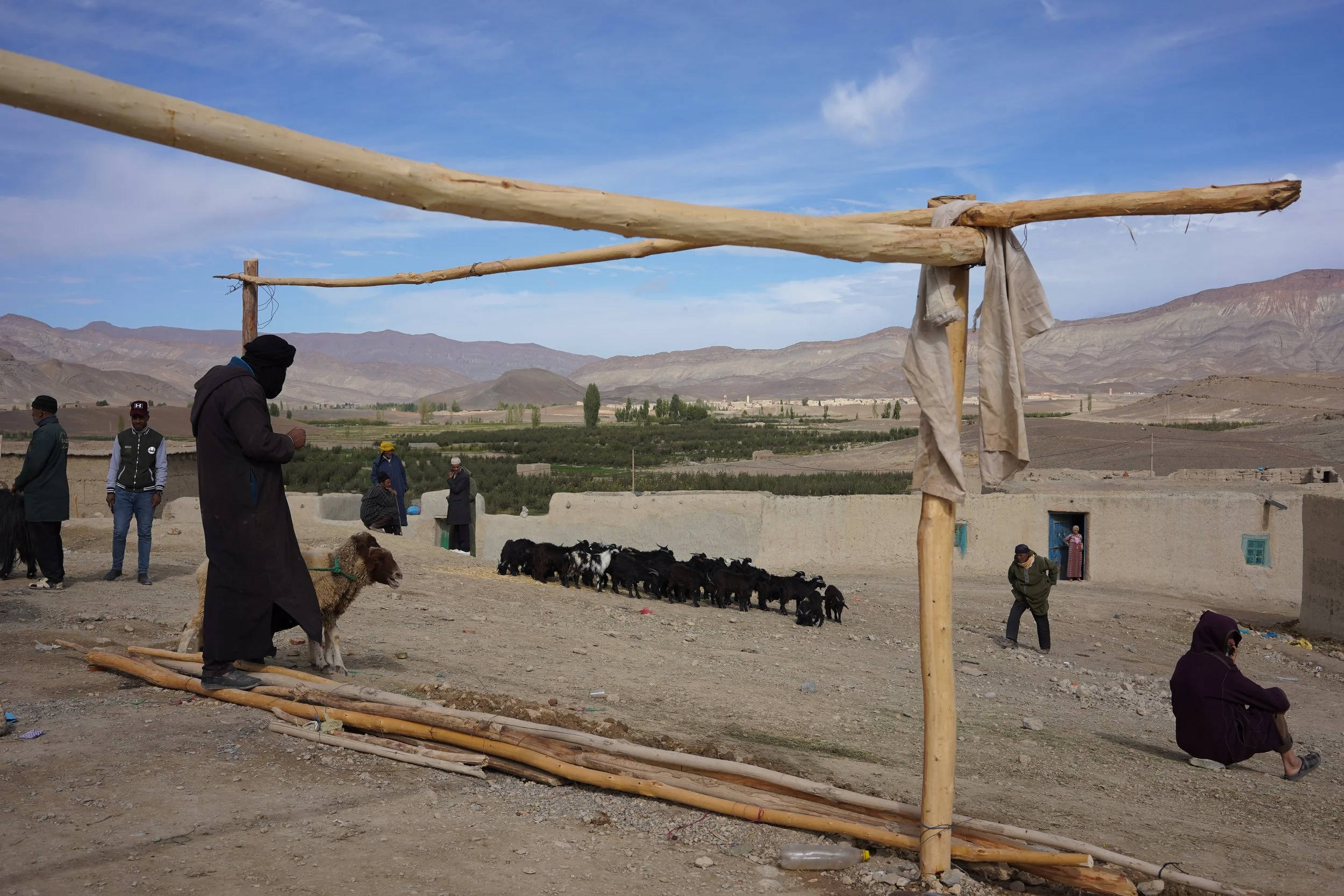
At an elevation of 2,200 meters in the High Atlas Mountains, the village of Imilchil serves as the ancestral heart of the Aït Hdiddou tribe. Each September, the community gathers for the Moussem of Sidi Hmad Oulmghni, a complex social and spiritual event that functions as a marketplace, a tribal assembly, and a collective marriage ceremony. This gathering is historically anchored by the legend of Lake Tislit, symbolizing a heritage of tribal unity and sacred vows.
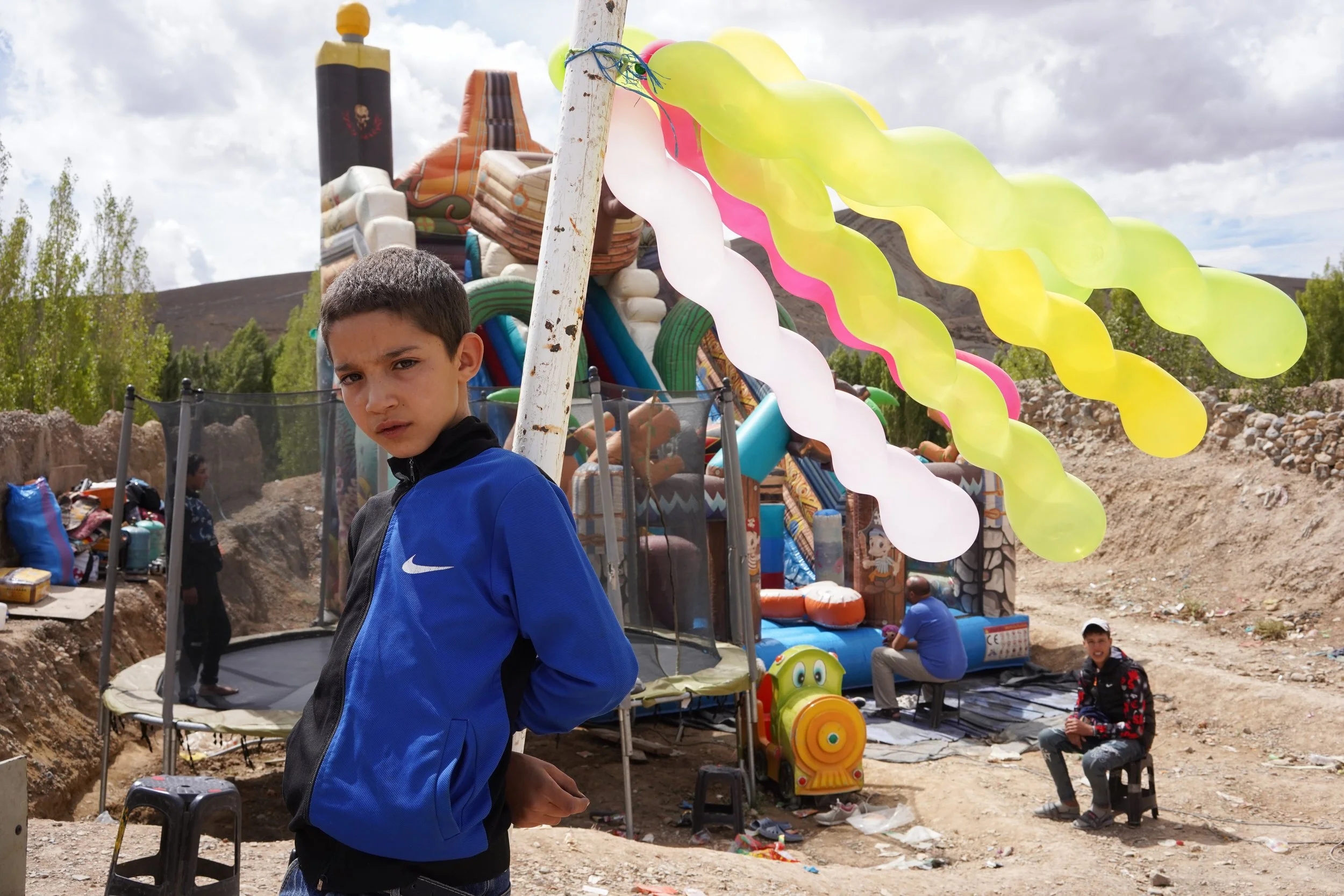
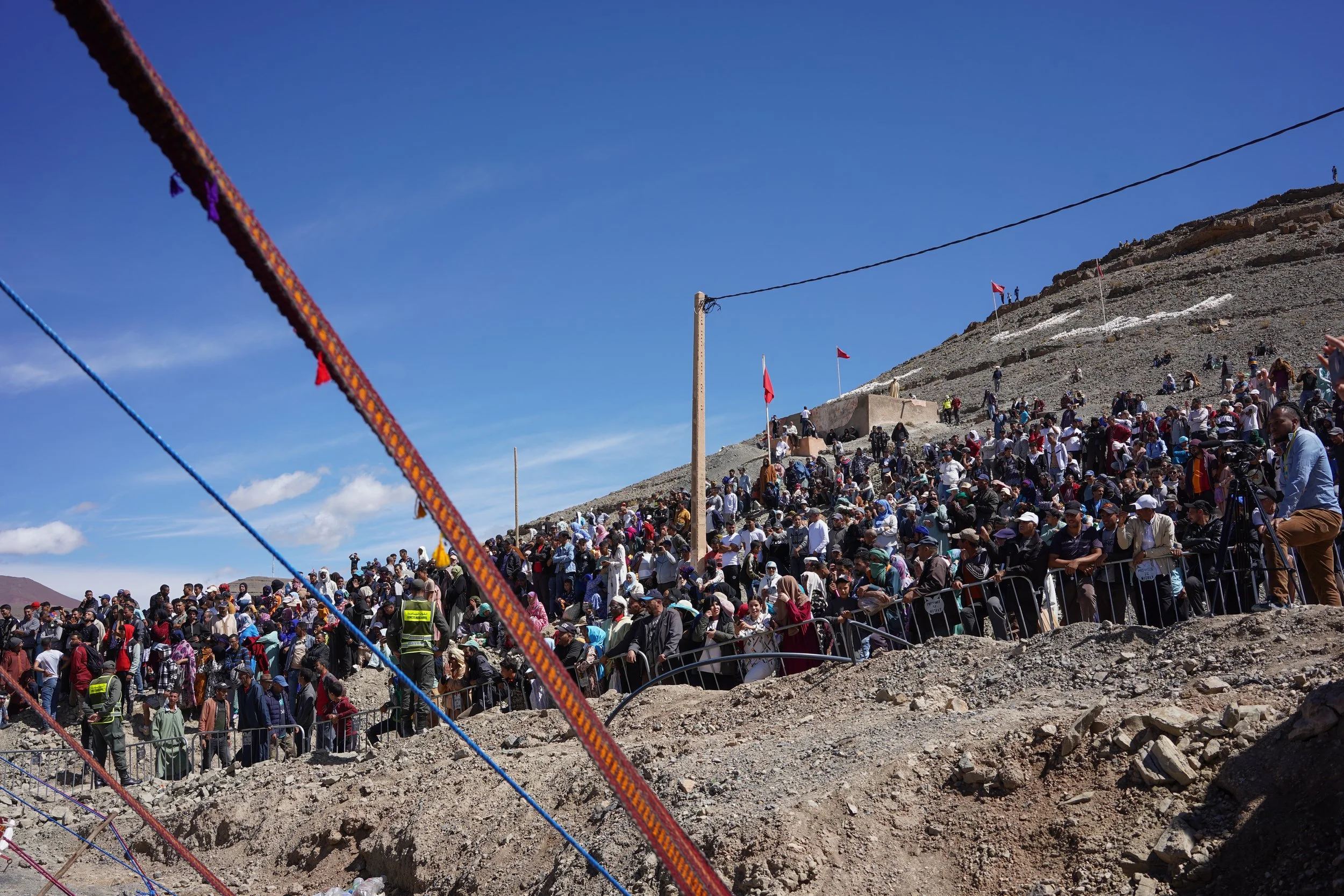
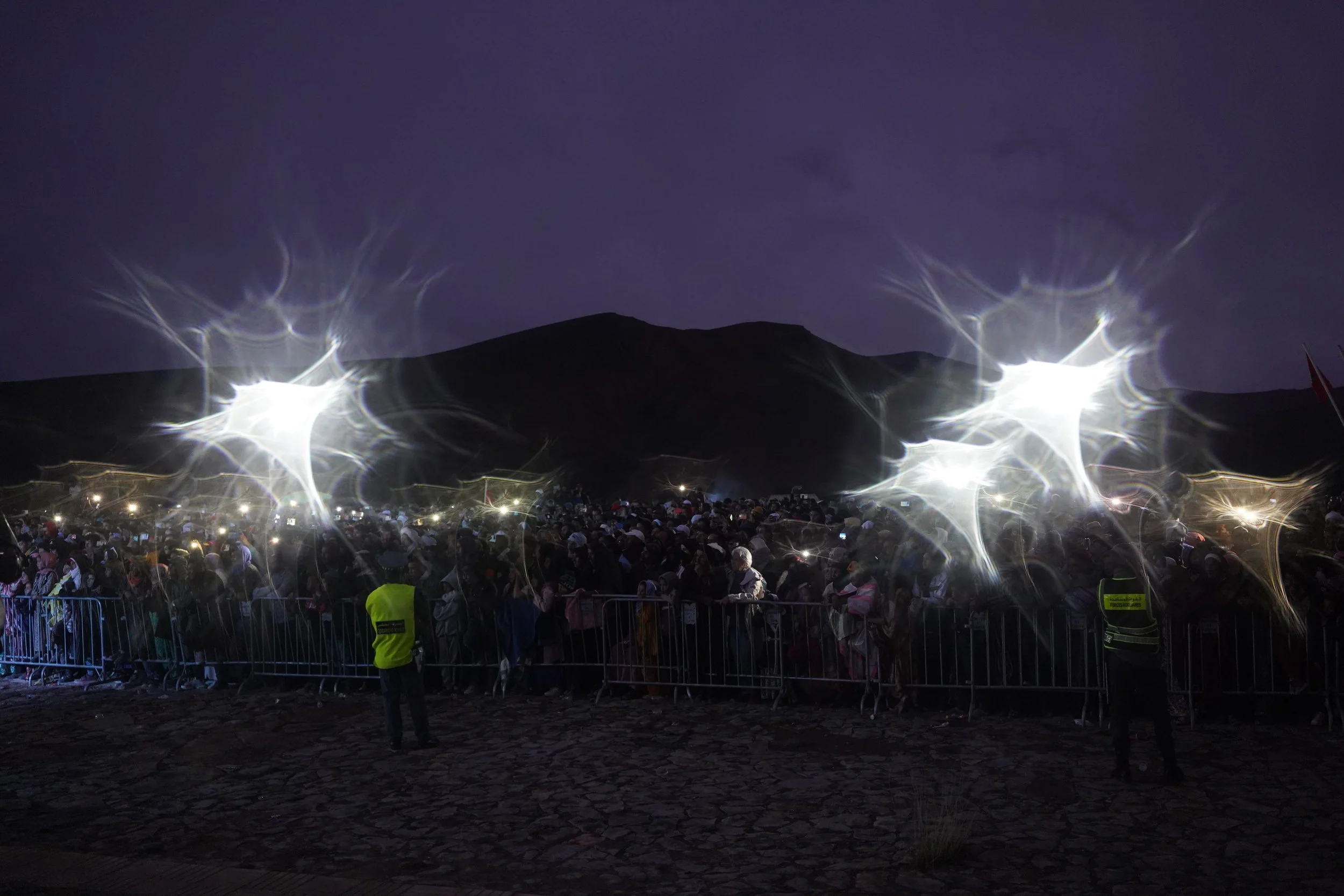
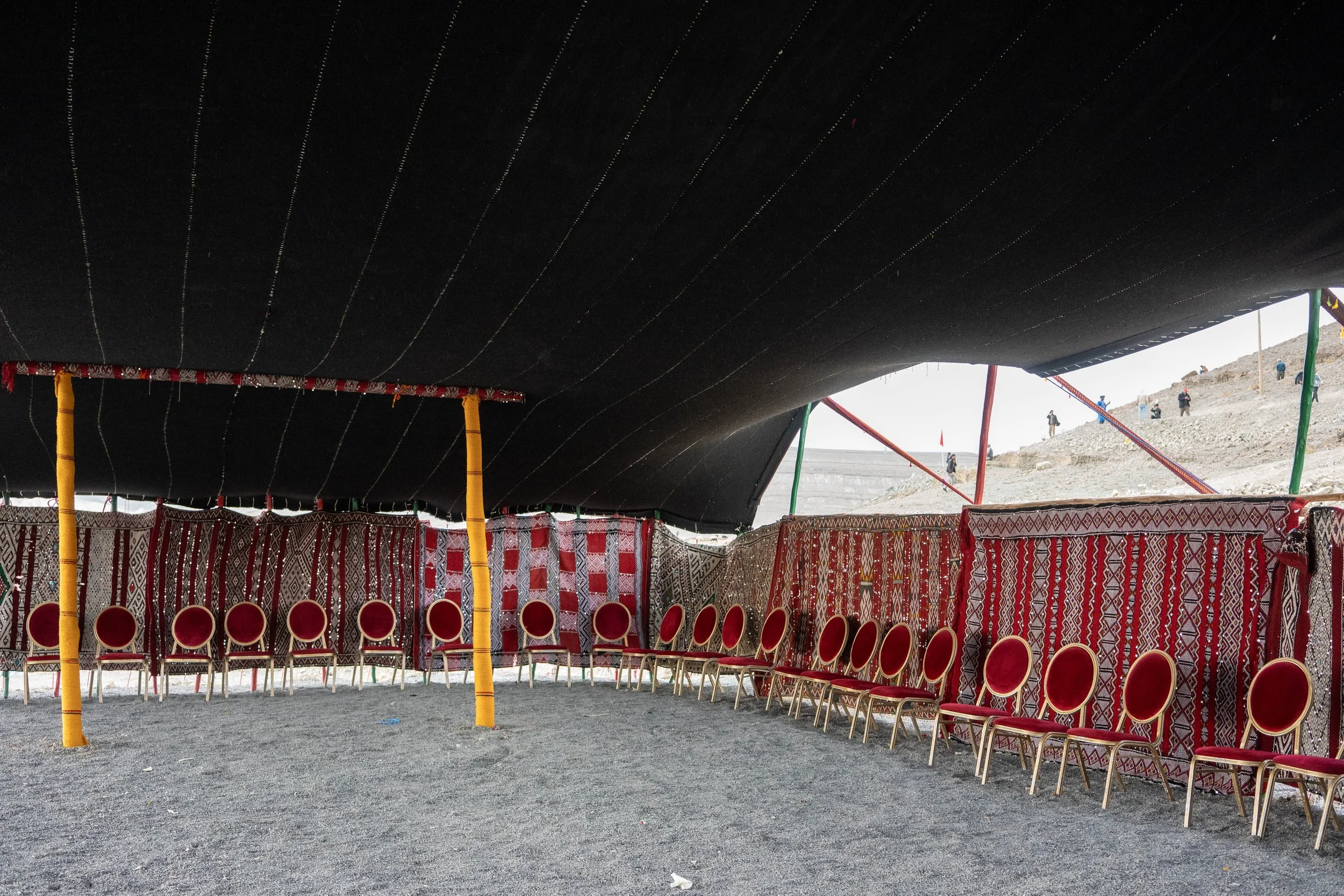
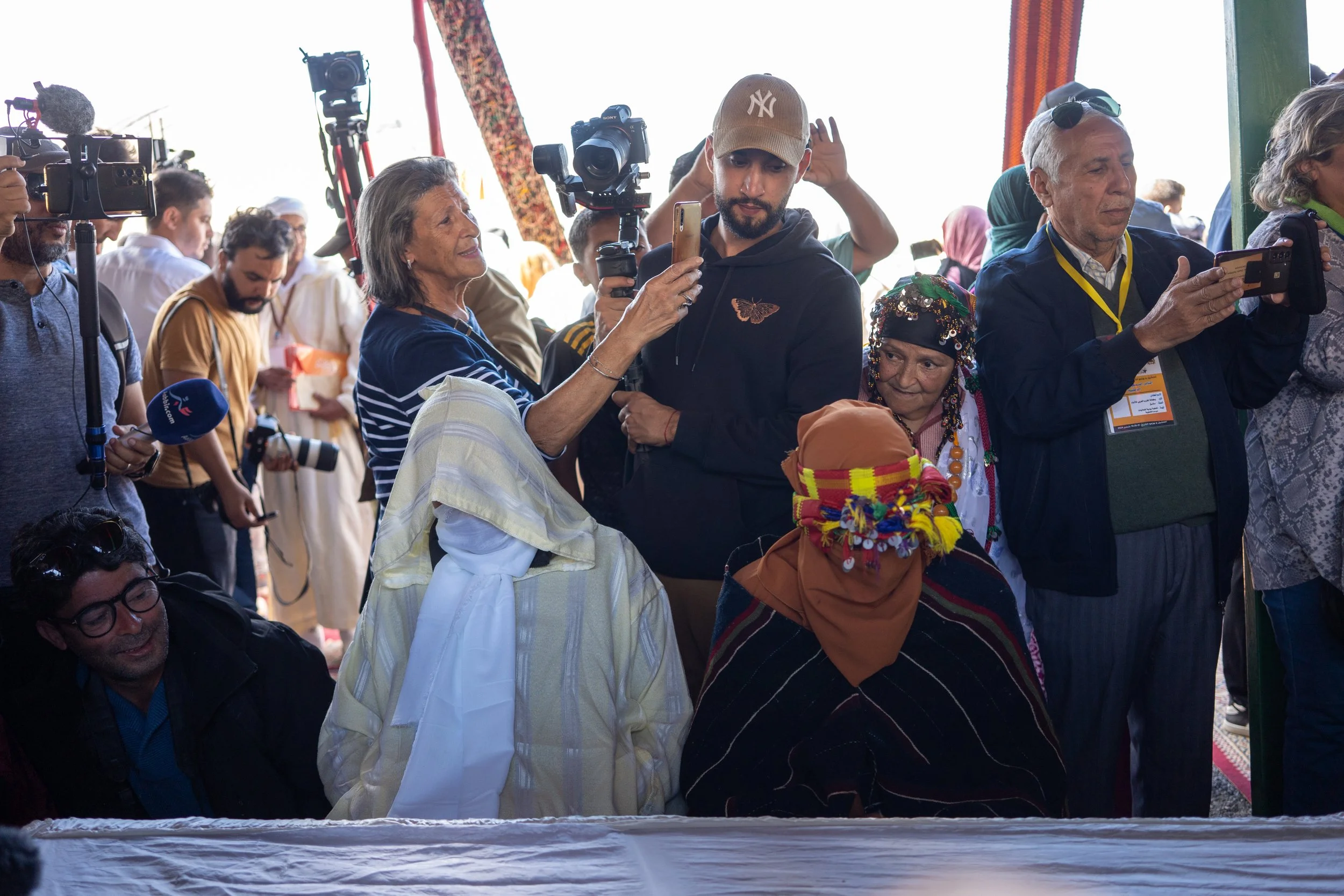
As the festival enters a new era of visibility, the rituals reveal a profound cultural transition. The quietude of the zaouia (shrine) and the vast, arid geography of the valley now coexist with the pressures of modern representation. The traditional privacy of the marriage contracts is increasingly navigated within a landscape of external observation, creating a palpable tension between the preservation of sacred intimacy and the demands of public spectacle.
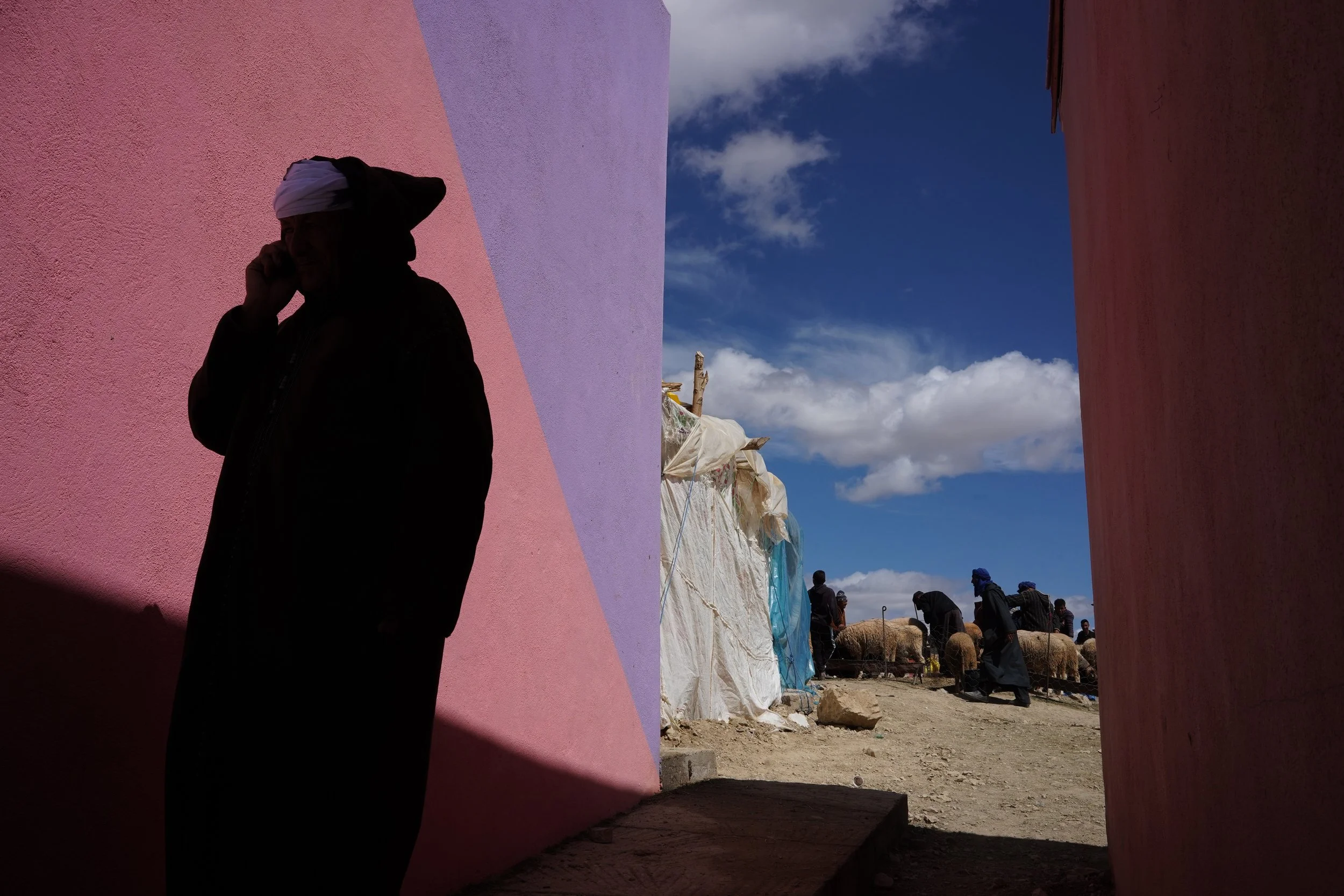
The influx of external visitors, while serving as a vital economic catalyst for the isolated region, has introduced a profound friction between the host community and the spectator. For many who arrive, the intimate rhythms and sacred rites of the Aït Hdiddou are often perceived through the lens of performative entertainment, leading to a pervasive culture of transactional documentation without consent. This persistent, invasive gaze often prioritizing a manufactured aesthetic over genuine human connection has cultivated a deep-seated fatigue among locals, who find their private identities and ancestral traditions increasingly treated as a visual commodity. The Moussem thus exists as a site of difficult negotiation, where the tangible benefits of the modern economy are perpetually weighed against the erosion of cultural privacy and the fundamental preservation of dignity.