SHEDDING:
An attempt at breaking the Individual Perspective: SHEDDING was born from a desire to move beyond the solitary nature of the medium. Designed to break away from the "individual" photographic perspective, this program was dedicated to creating a shared, collective visual record. Throughout an intensive week, our goal was to conceive, document, and produce a cohesive body of work together.
The initiative began with an open call for Moroccan photographers of any age who held an interest in social documentary and socio-political engagement.
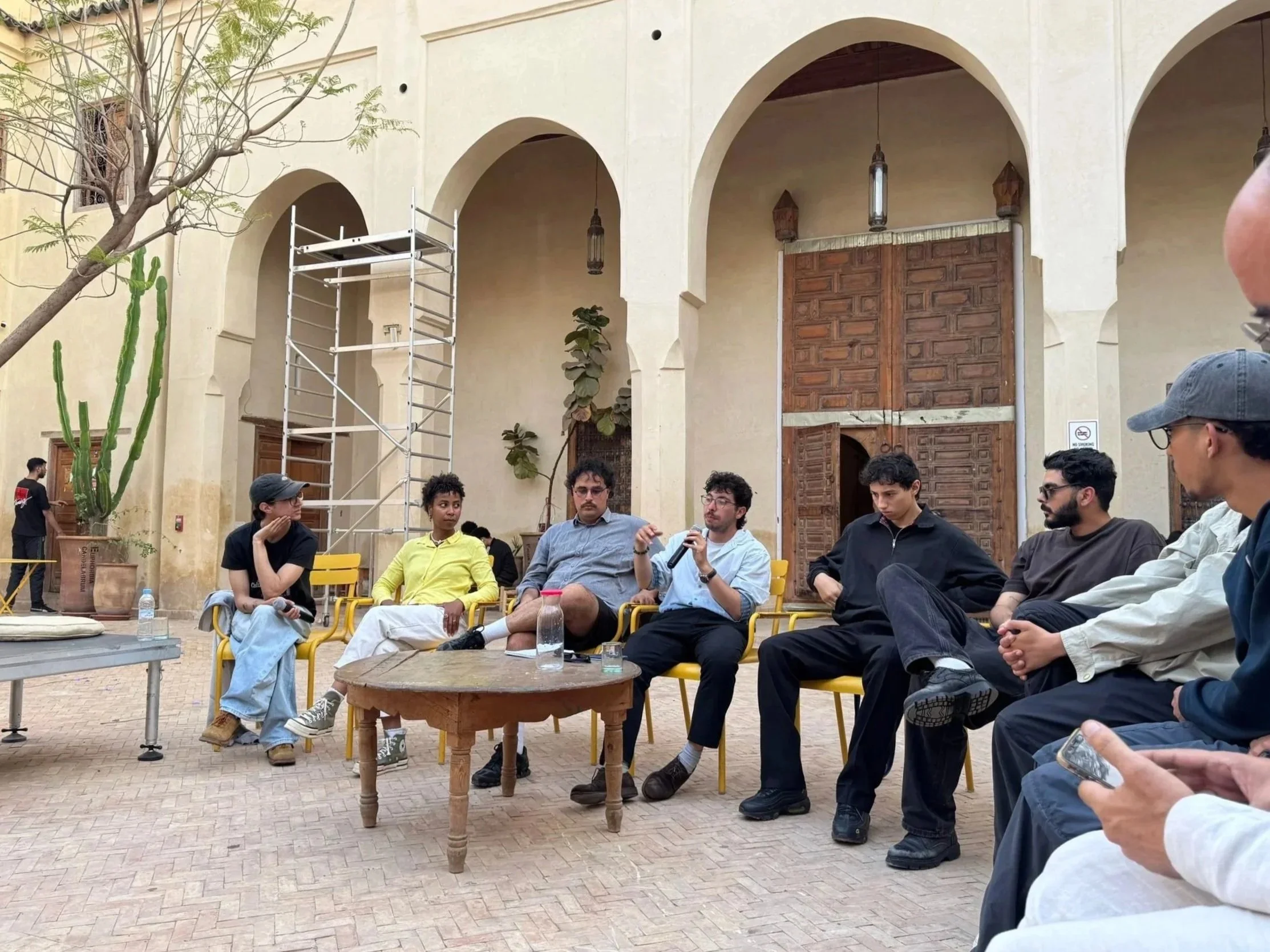
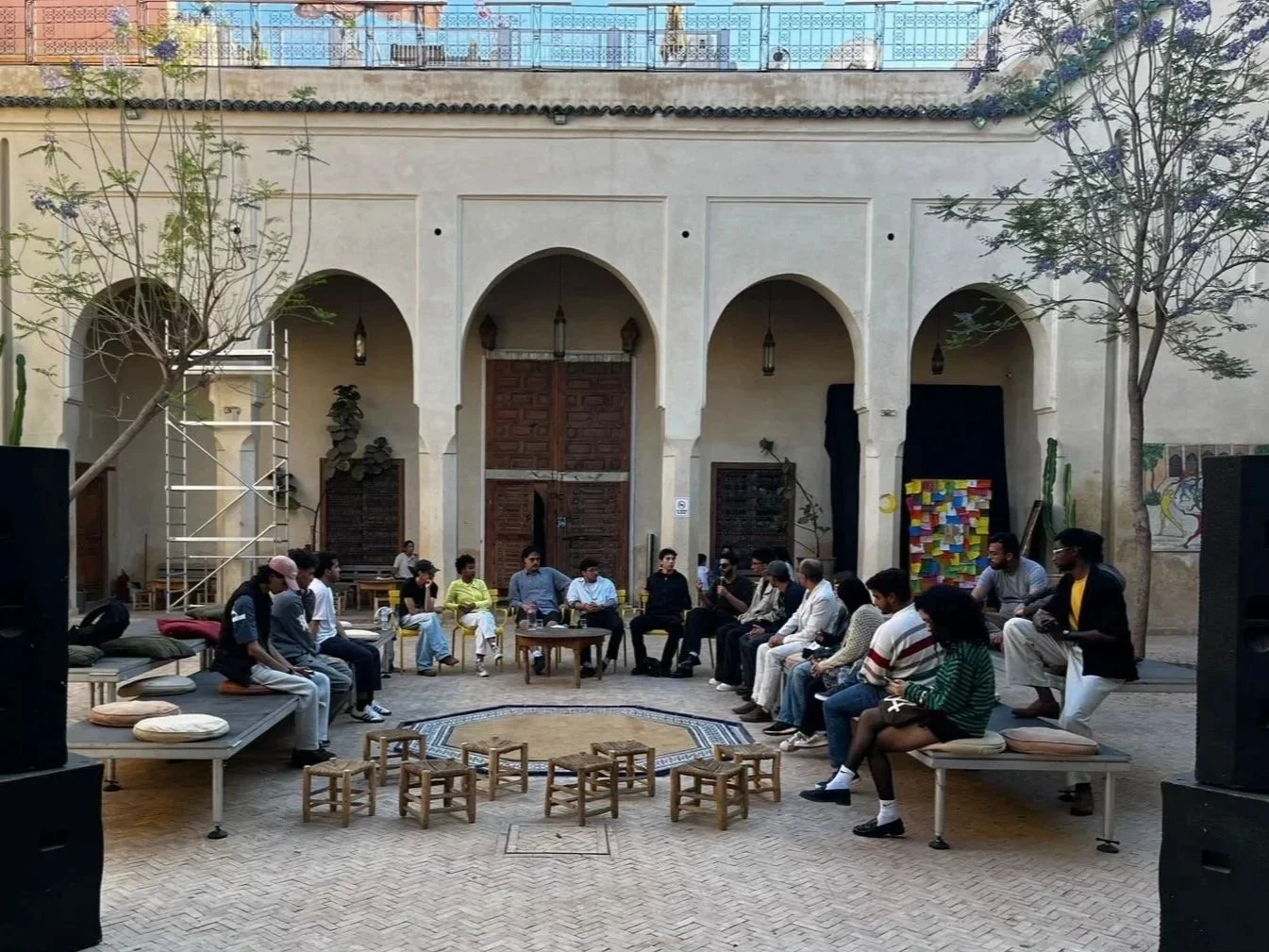
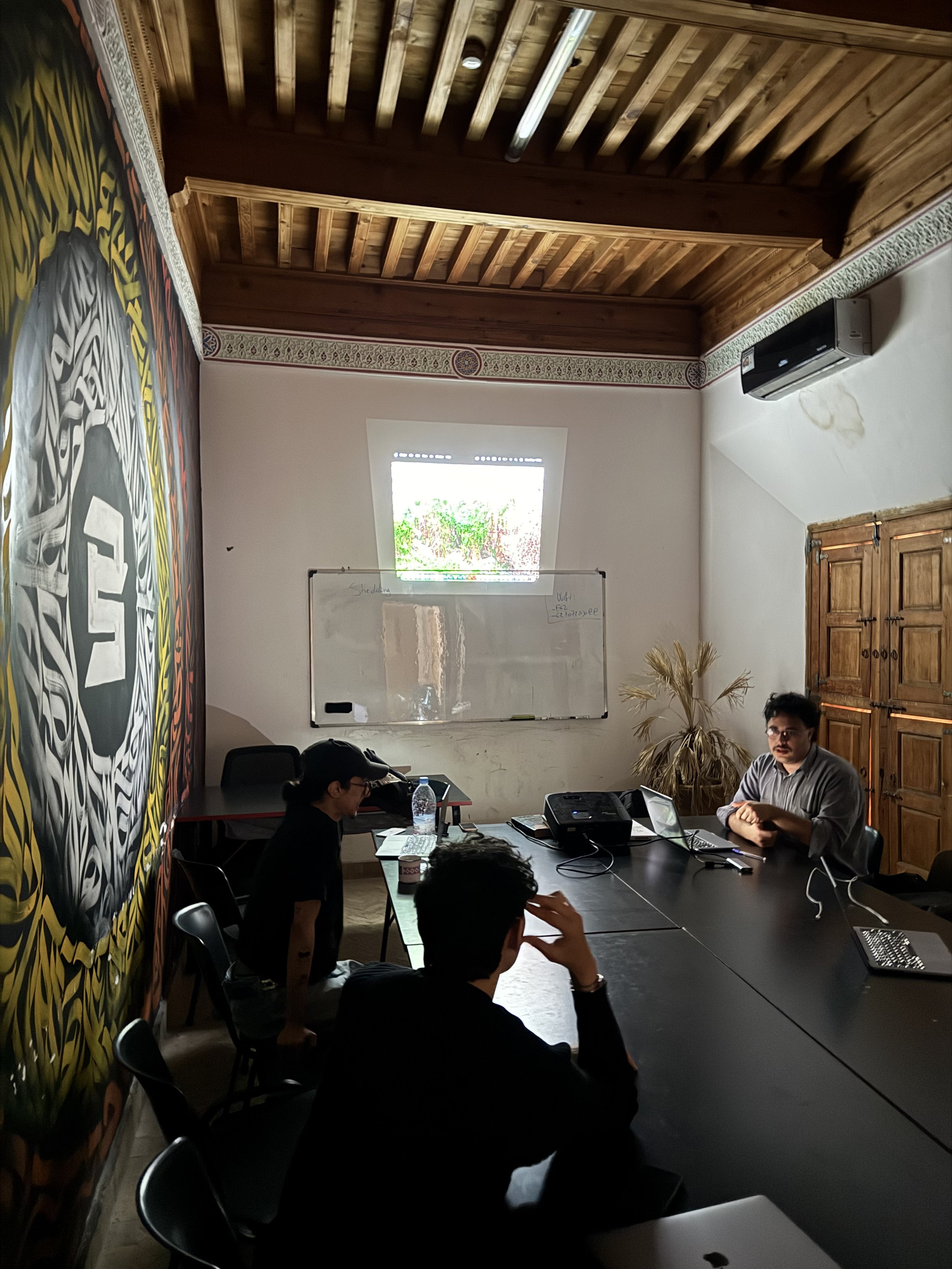
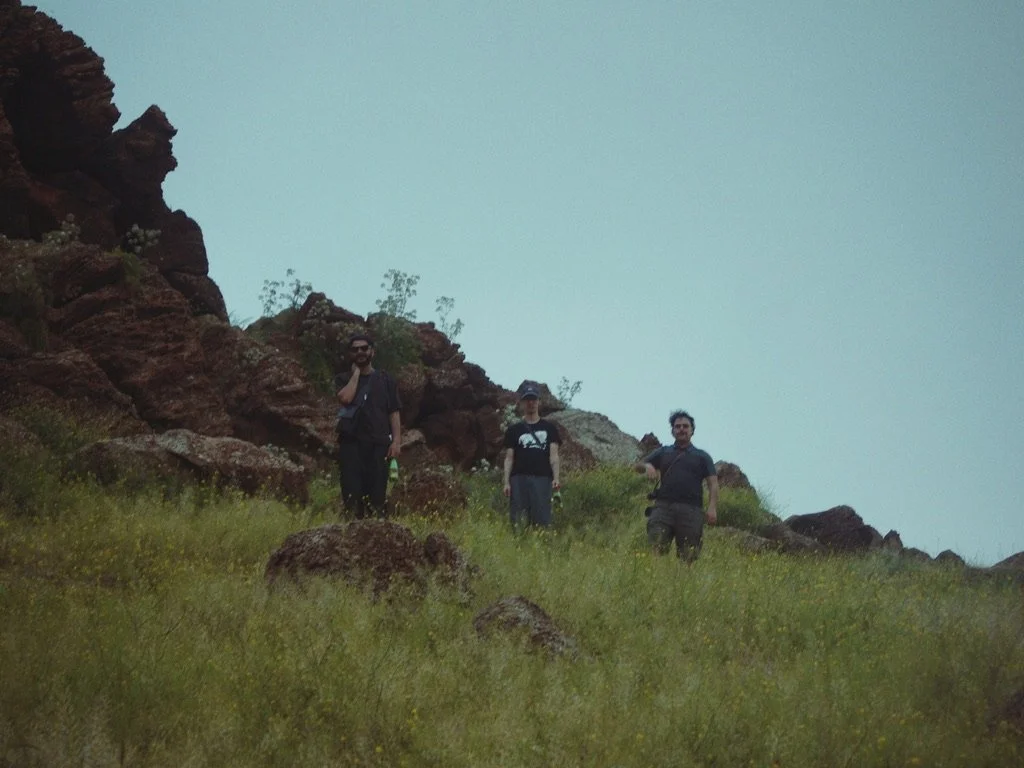
Over those seven days, three members of the Wild at Heart Collective and local photographers converged at the Les Étoiles cultural center. Operating both indoors and out on the streets, we set out to explore the complex, unseen layers of Marrakech, the realities that the usual, polished narratives tend to ignore.
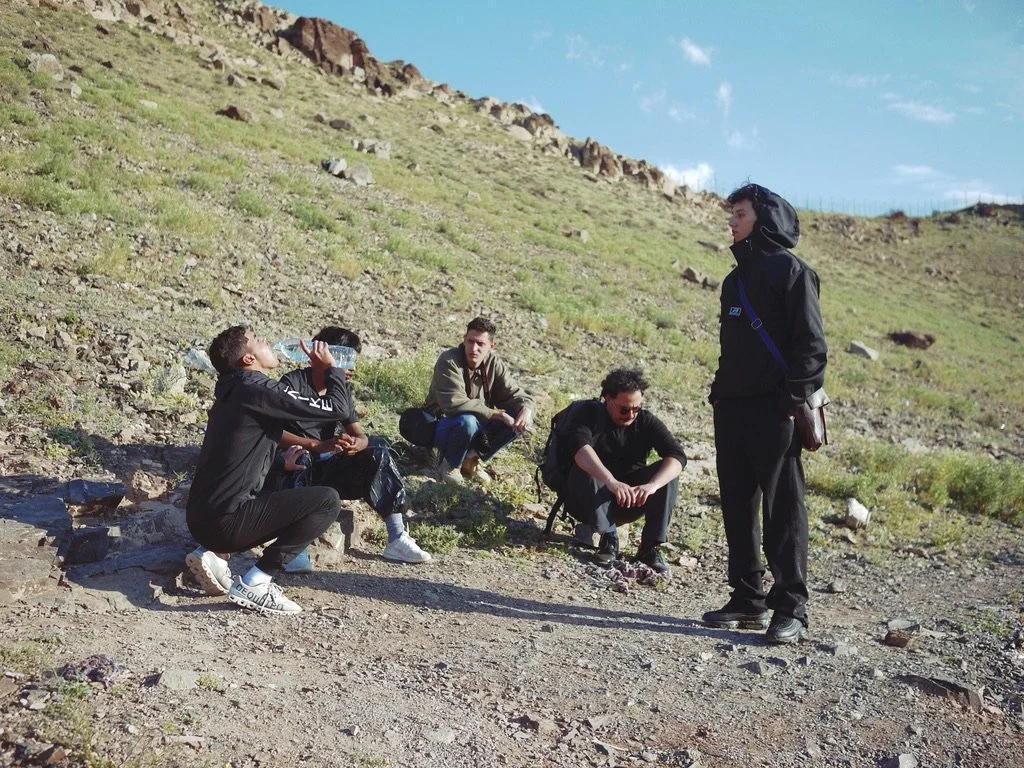
stories. The Curriculum:
The program moved beyond technical skills to explore the profound responsibility of the documentary photographer. We structured the week around a core philosophy: to survive and make an impact, photographers must stop acting as "suppliers" of isolated images and become "producers" of complete, contextual stories. PDF
Our daily sessions and fieldwork focused on several key pillars:
-The Grounded Gaze: Participants were challenged to abandon the "tourist gaze" that searches for the exotic, and instead apply a "grounded gaze" that seeks out the history, labor, and genuine dignity of everyday life.
-Narrative Architecture: We moved away from the reactive "Decisive Moment" to build a deliberate "Sequence of Meaning," treating a photo essay like a non-fiction screenplay with a clear protagonist, conflict, and resolution.
-Ethics and Fieldwork: Discussions covered the practical realities of long-form storytelling, emphasizing an Anti-Orientalist approach, the protection of local fixers, and the necessity of earning access rather than taking it.
To challenge our frameworks and deepen this exploration, the week was anchored by two expert interventions detailing ethical and practical field realities, expanding on concepts from the shedding program:
A Decolonial Approach to Photography:
Led by Yasmine Kaddouri, this intervention established a critical reflection framework rooted in anti-racist, decolonial, and feminist ethics
Group Ethics: The practice requires active listening, stepping back when necessary, and giving priority to the personal experiences of those directly concerned.
Deconstructing Racism: Participants analyzed racism not merely as individual prejudice but as an ideology that legitimizes human exploitation through historical, structural, and institutional dimensions.
The Colonial Legacy: The session examined how historical visual mediums, such as colonial exhibitions, school materials, and postal cards, were engineered to mask colonization, frame foreign lands as tourist playgrounds, and propagate racial stereotypes.
Power and Representation: Discussions contrasted the exploitative exposure of vulnerable bodies, such as graphic depictions of crisis victims or colonial subjects, with dignified, empowering representations. The curriculum challenged the "tourist gaze" and Orientalism, directly questioning who holds the economic and linguistic power to narrate, travel, and capture the image of the "other."
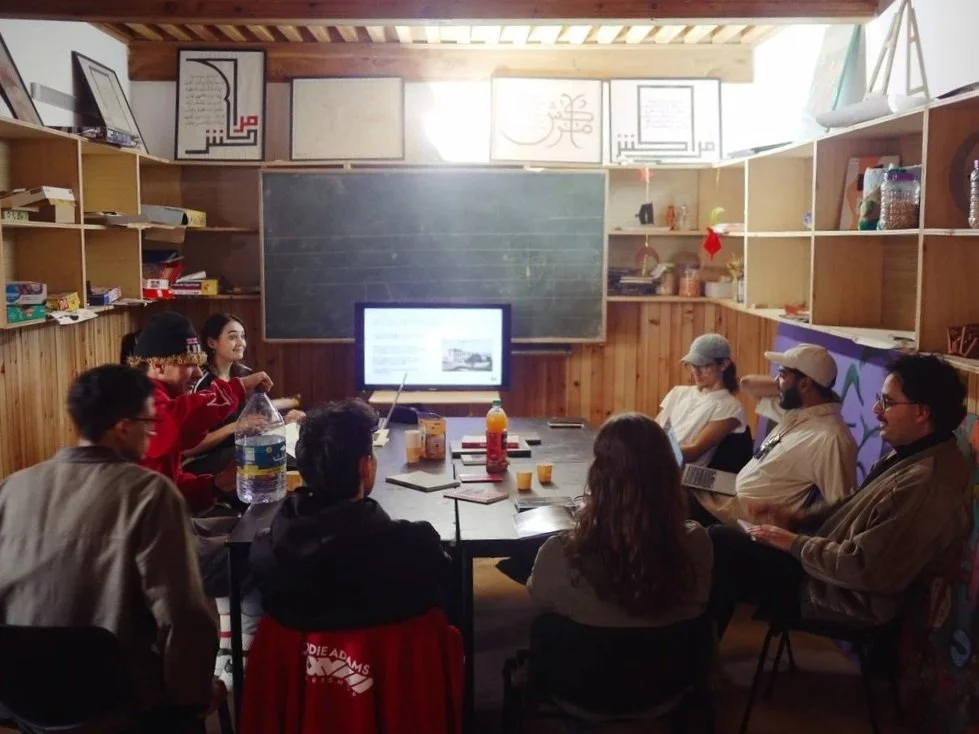
Reporting in Humanitarian Crisis and Emergency Situations
Led by independent journalist Sofia Català Vidal, this session outlined the strict social and narrative responsibilities required when documenting vulnerable communities.
Narrative Responsibility: Photographers must actively avoid clichés, criminalization, and "poverty porn." Affected individuals must be treated as the main voices rather than passive sources, and the journalist must never become the protagonist of the story.
Field Ethics and Safety: The absolute priority is the human dignity, rights, and physical safety of the affected communities, alongside the rule to never obstruct humanitarian actors operating on the ground.
Rigorous Fact-Checking: Journalists were warned against passively accepting official versions or unverified agency reports. The program emphasized the necessity of reconstructing events through direct testimonies, on-site verification, visual evidence like security cameras, and cultivated local networks.
Practical Application: The intervention culminated in a working exercise where participants planned an ethical, verifiable reporting strategy for real-world scenarios, such as the Al Haouz earthquake or the border repression in Melilla.
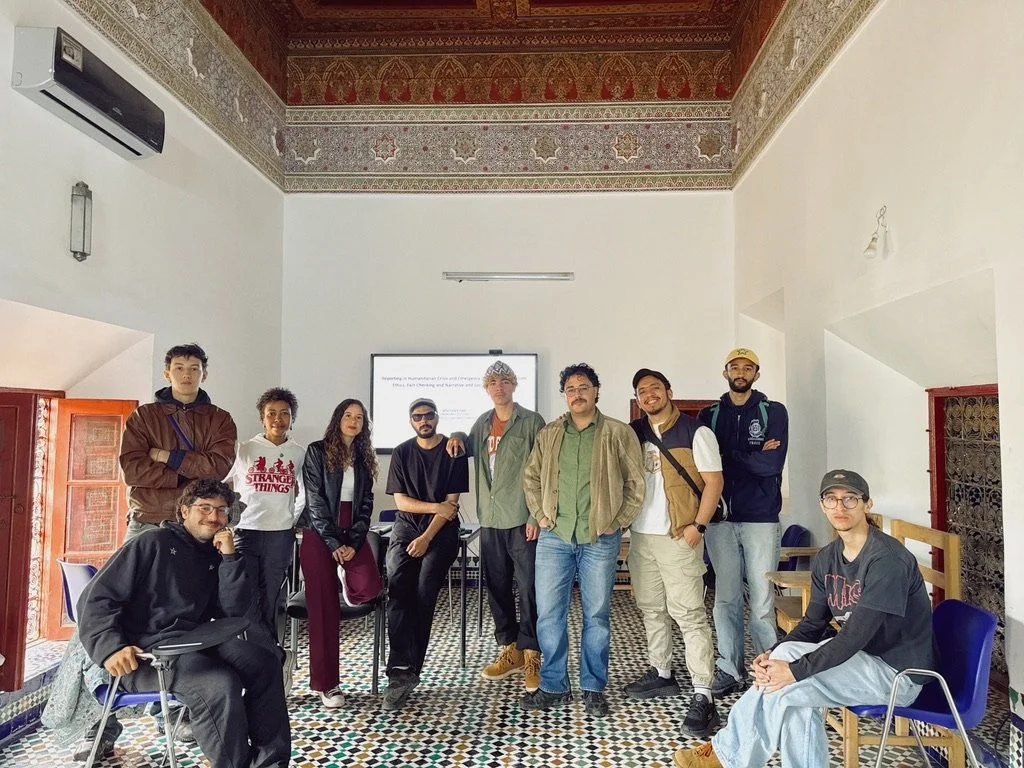
Memory and Transmission
We believe that an archive must become a physical experience to truly resonate. The shared visual record we created did not remain on a hard drive. The SHEDDING program utilized "spatial storytelling" to transform our documentation into a physical reality. This resulted in a collective exhibition at l'Institut Français Marrakech, curated under the thematic "Mémoires et Transmission" during the Mai de la Photo festival in May 2026.
At the end of the program, we hosted a public roundtable, open for anyone to attend, to discuss and reflect upon everything we witnessed and learned throughout the entire program.