Transmission & Education
Photography is a shared language, and we believe its tools shouldn't be kept to ourselves. While our collective is deeply rooted in long-term fieldwork, creating spaces for learning and exchange is just as central to our practice as the images we make.
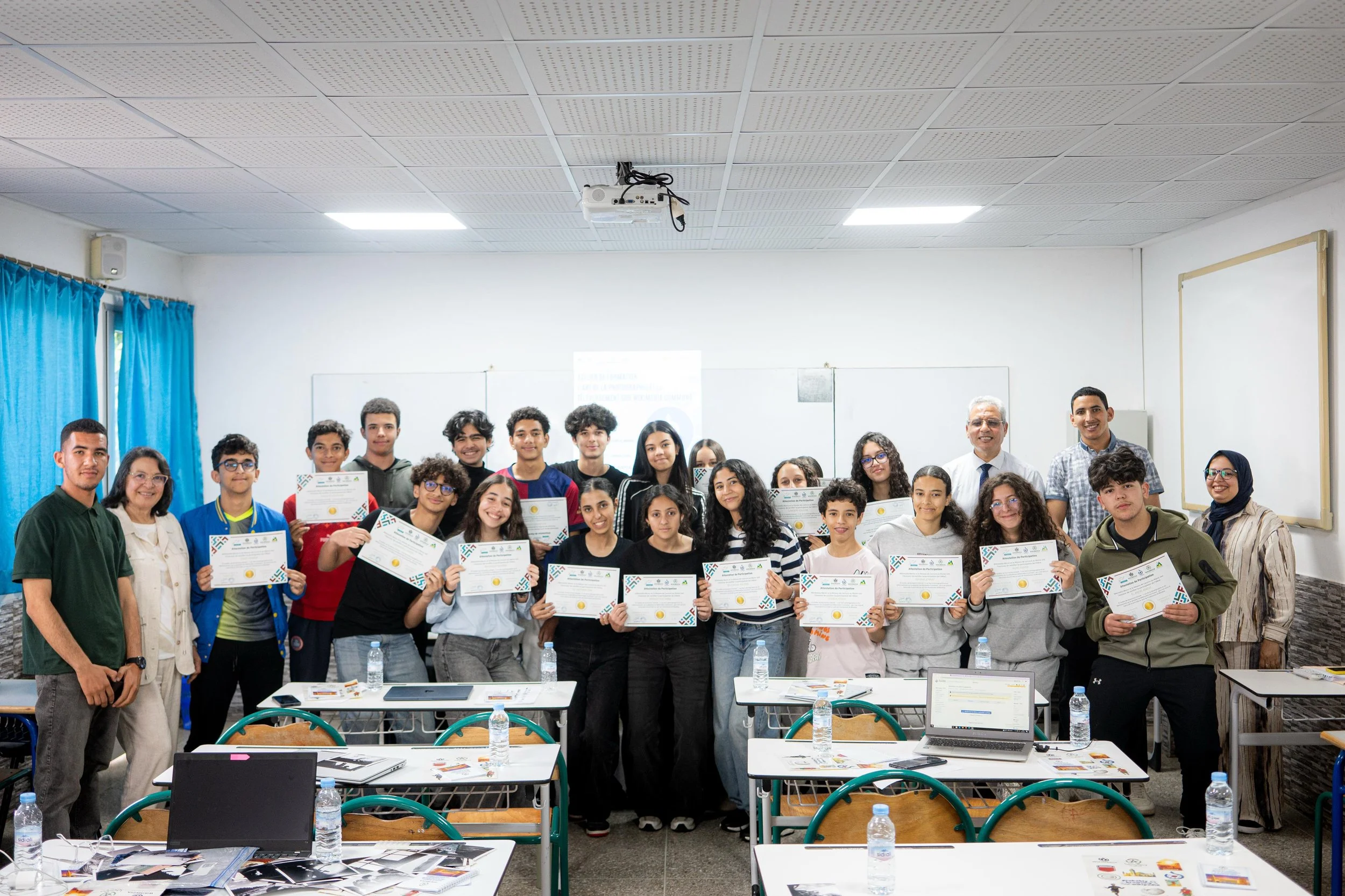
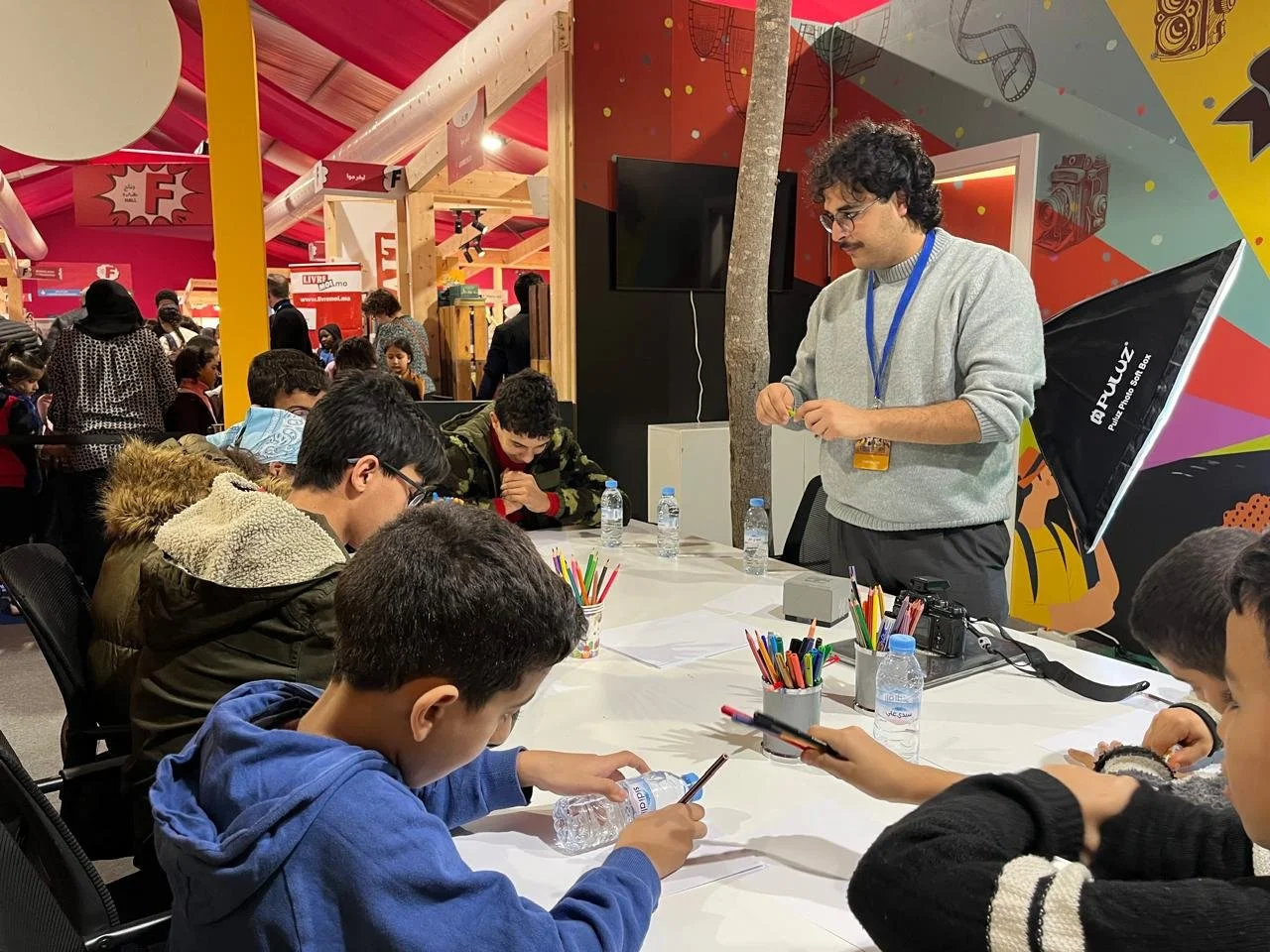
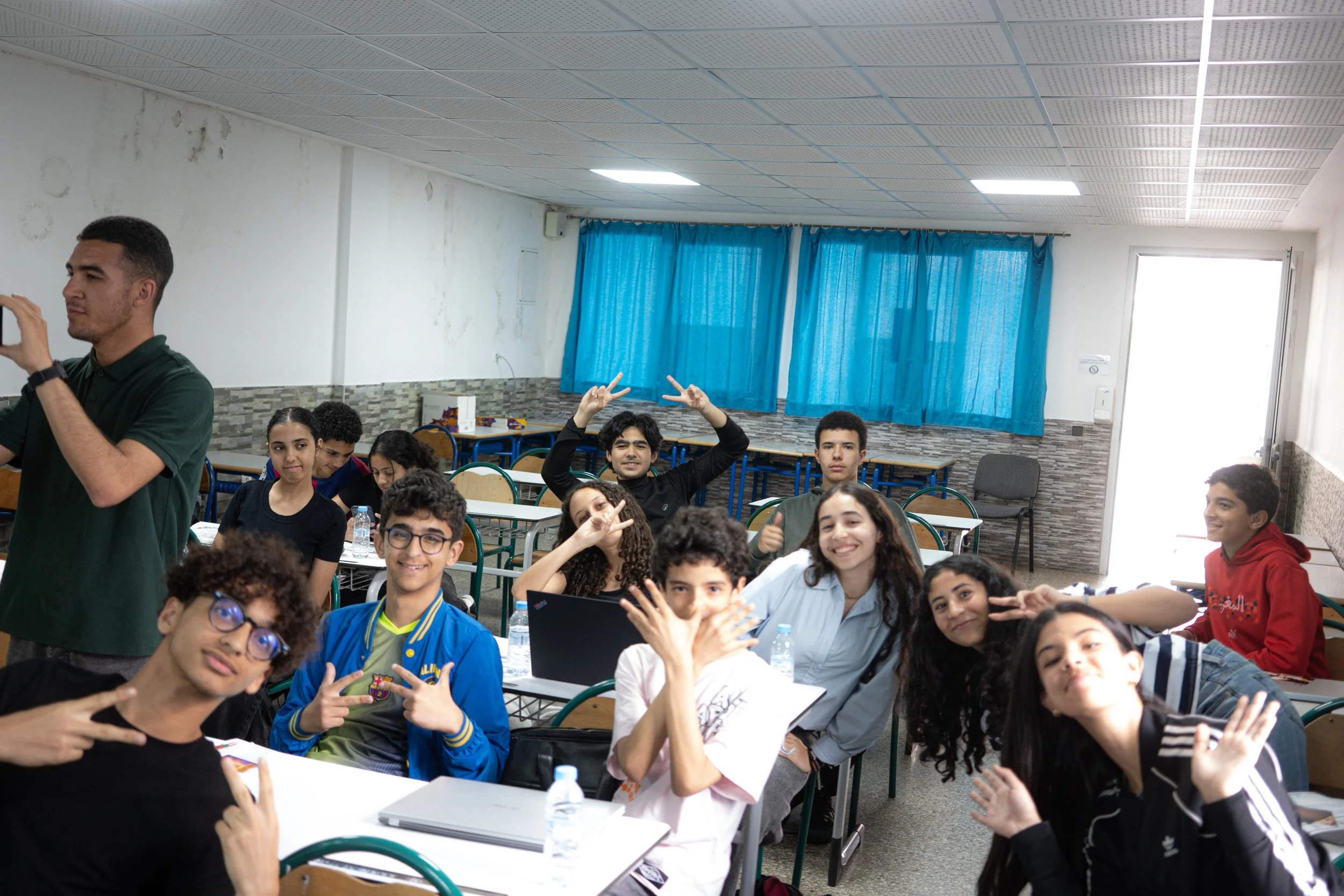
Recently, in the village of Aghmat nestled in the foothills of the High Atlas just outside Marrakech, we joined a group of students for one of their final physics classes before the holidays.
Instead of introducing photography purely as an art form, we met them where they were: in the sciences. We spent the session delving into the theory behind human vision, breaking down how our eyes gather and focus light, and translating those exact biological principles into the mechanics of a camera.
By connecting the physics they were already studying to the tool in their hands, the camera stopped being an intimidating piece of technology. It clicked into place as a natural extension of their own sight. By the end of the session, the students had built a solid, practical understanding of manual exposure and focusing, giving them real control over how they shaped light and focus.
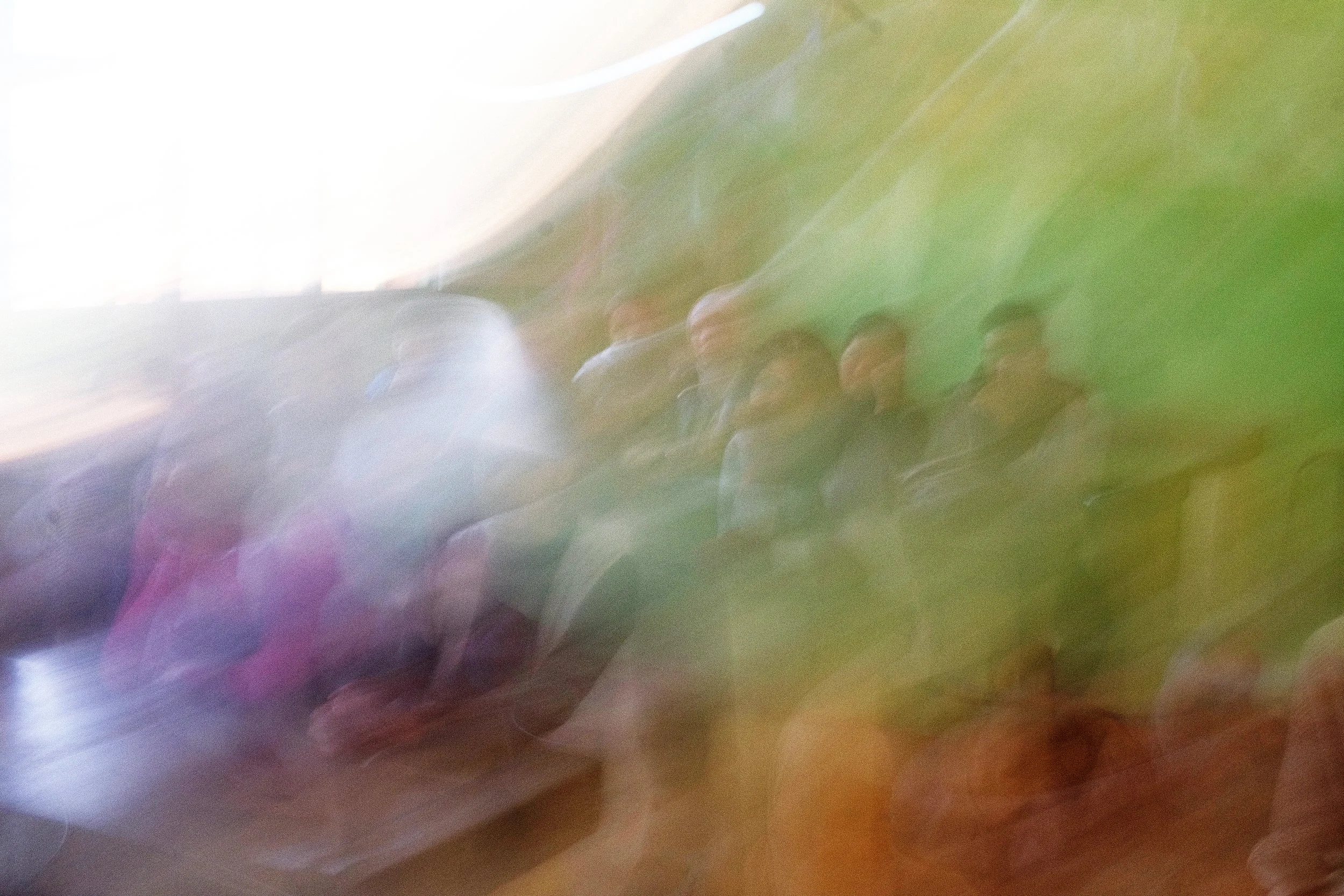
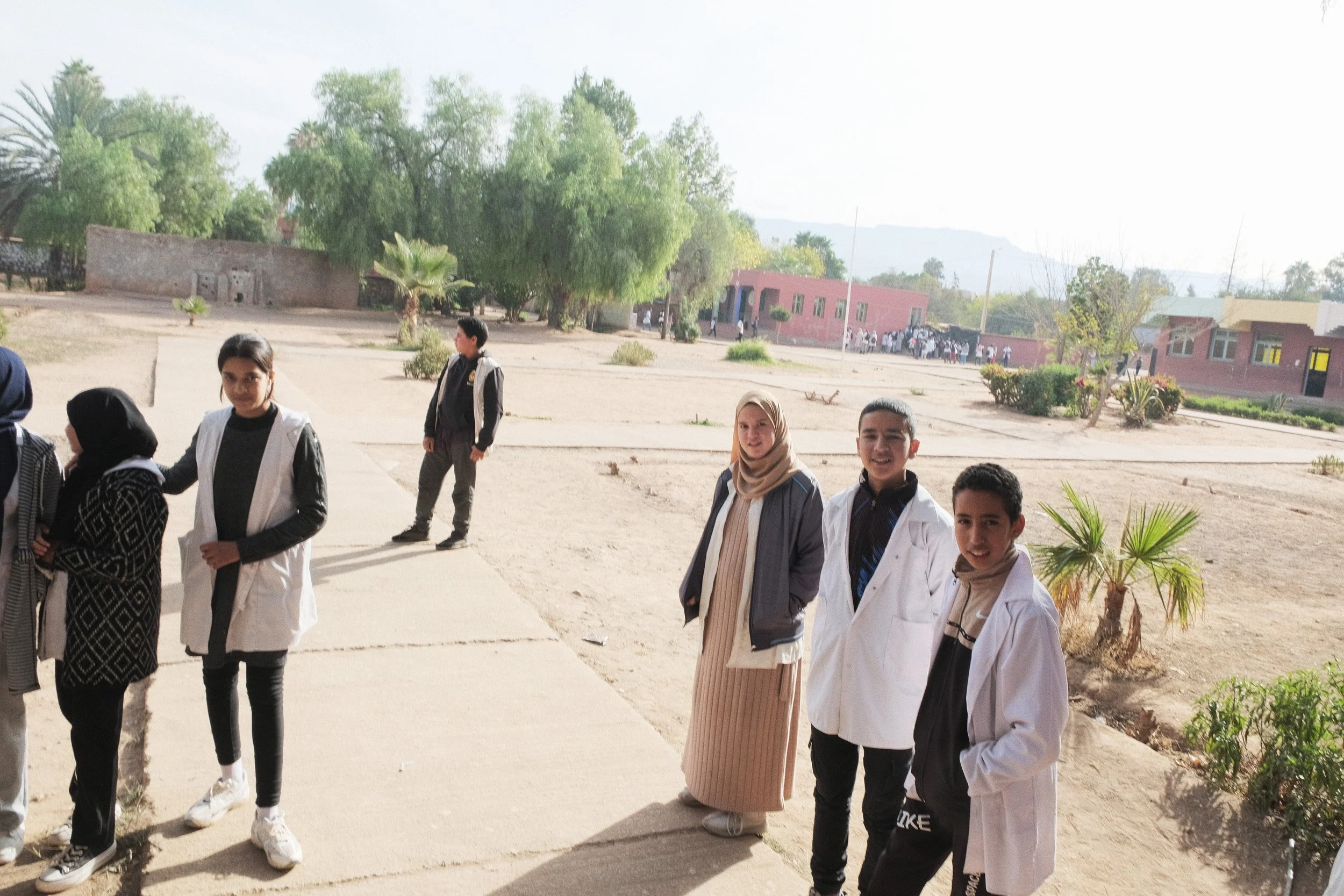
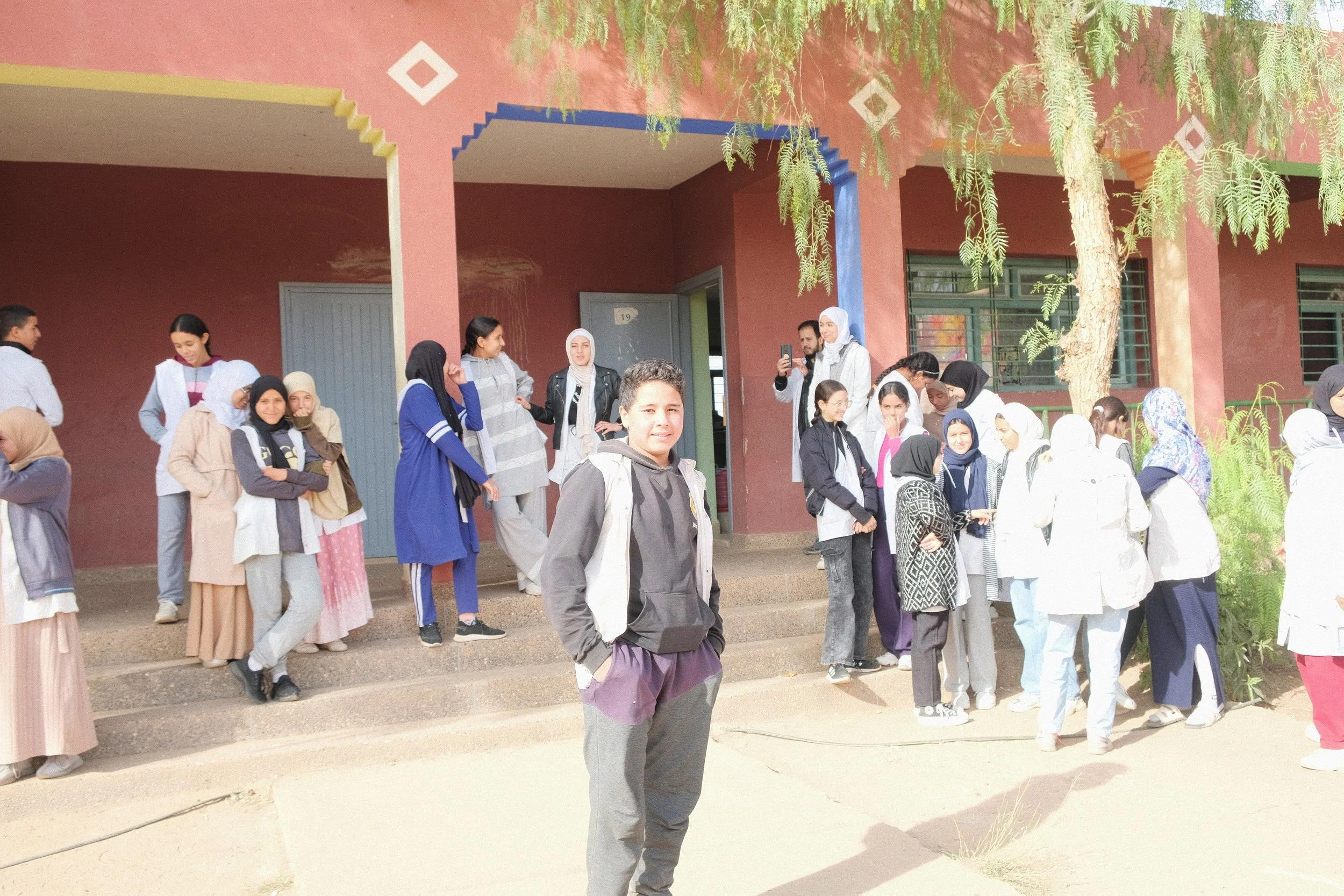
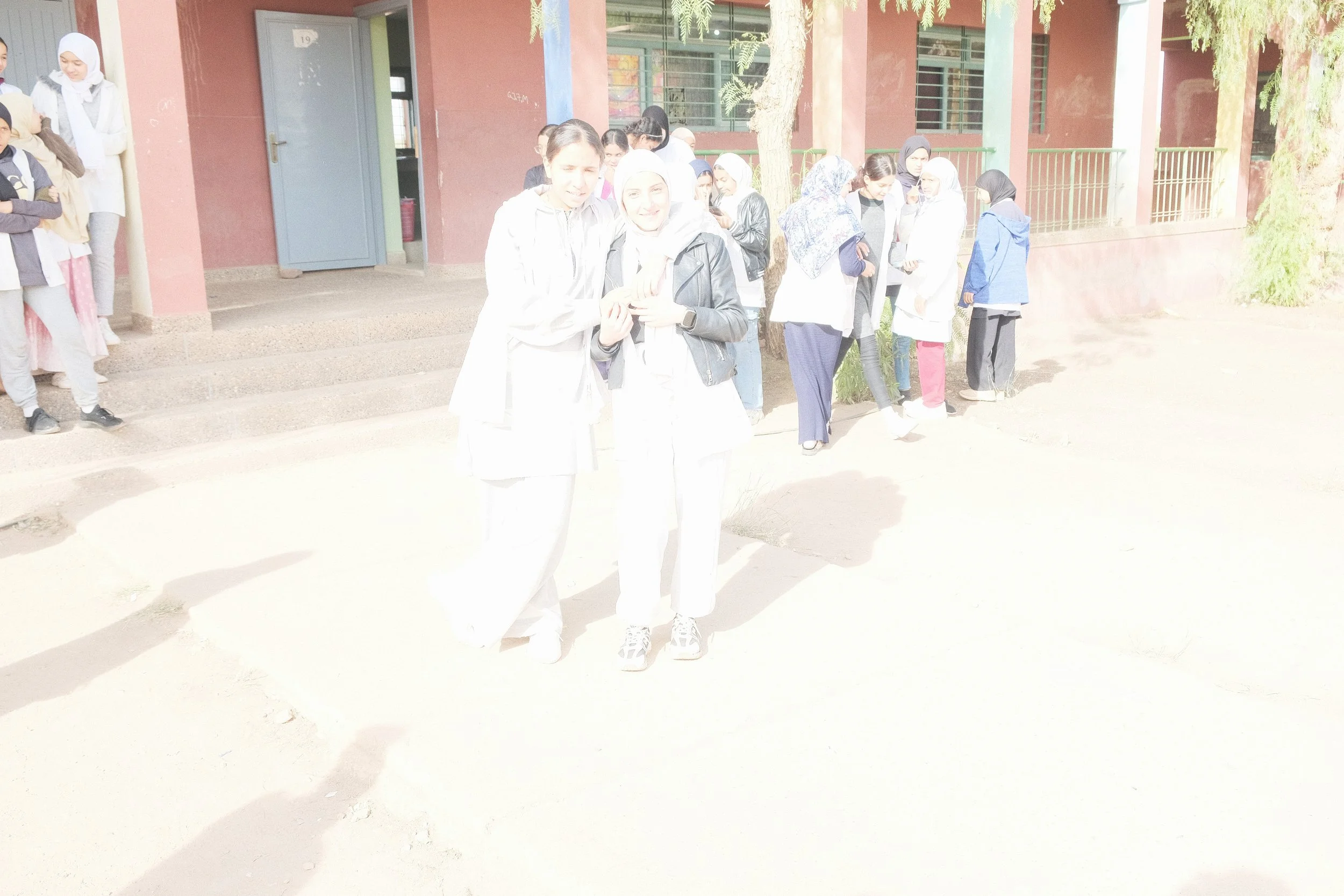
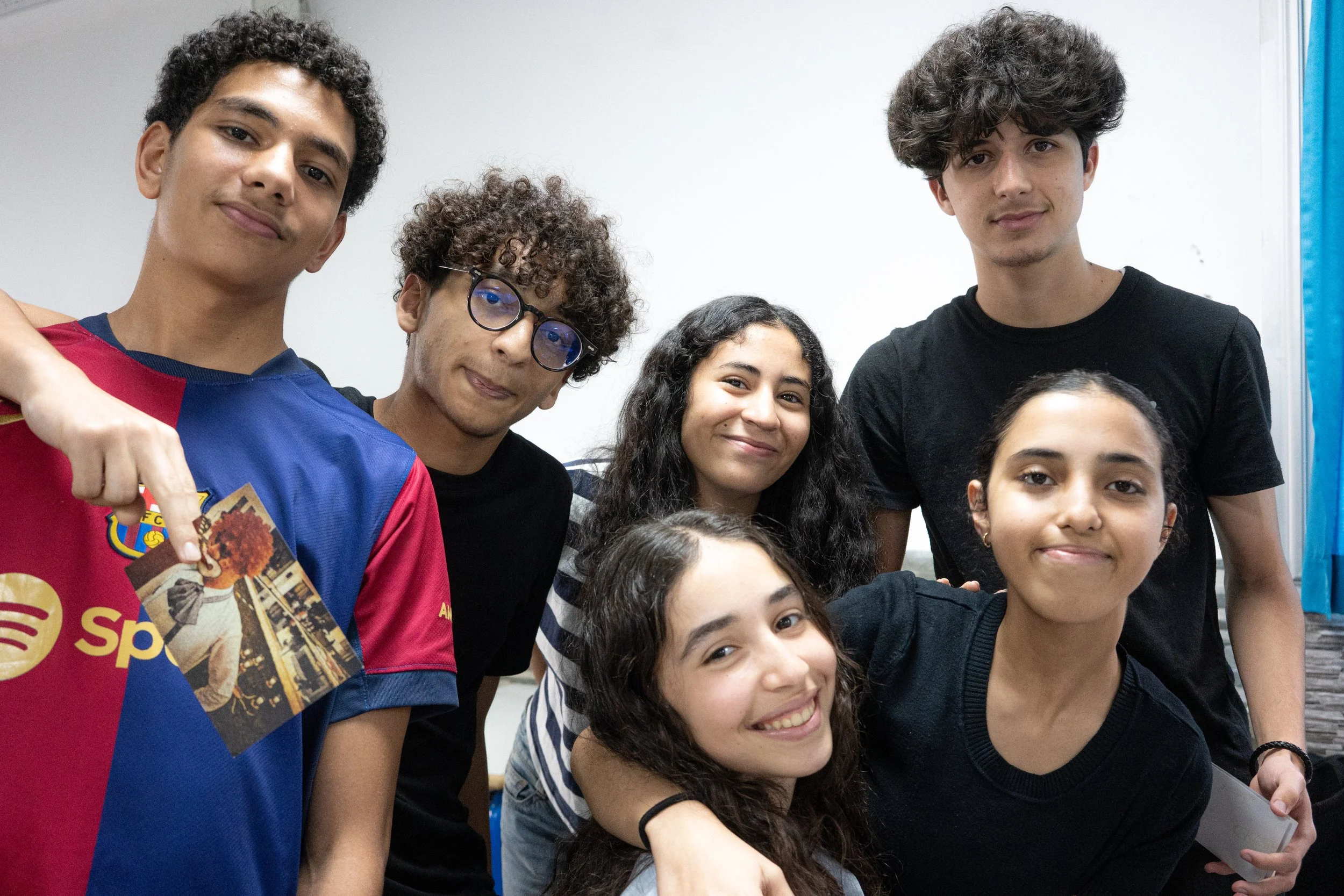
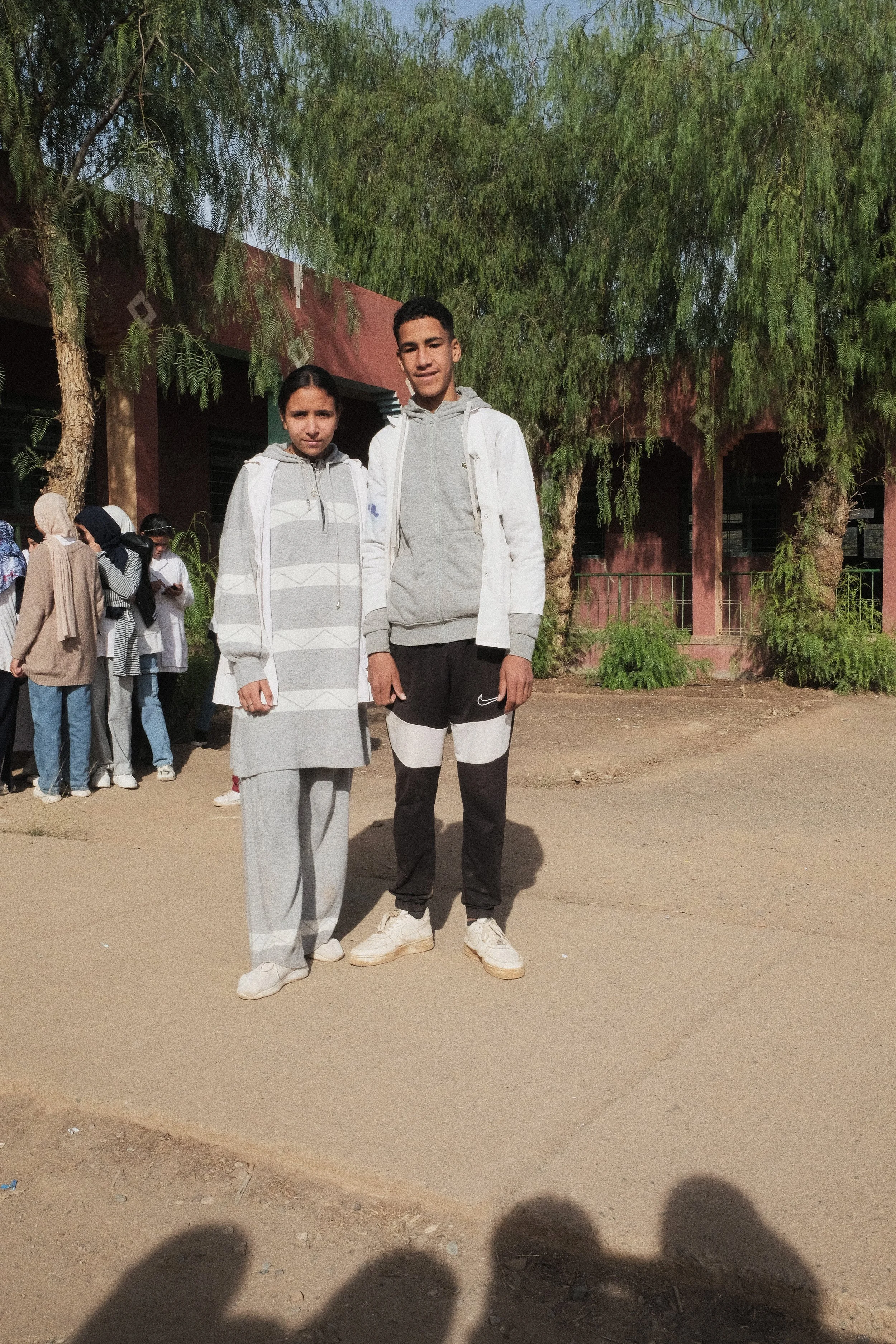
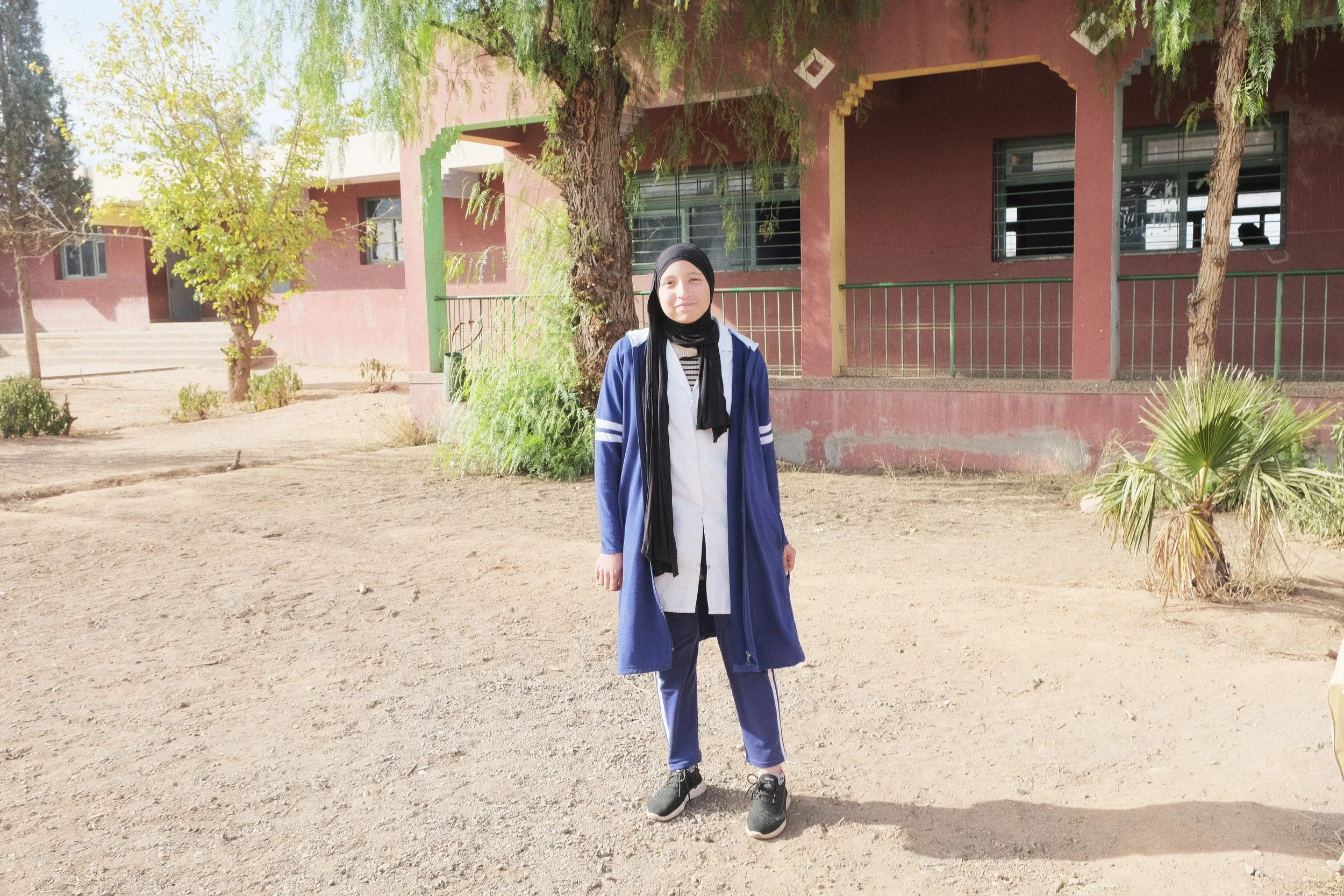
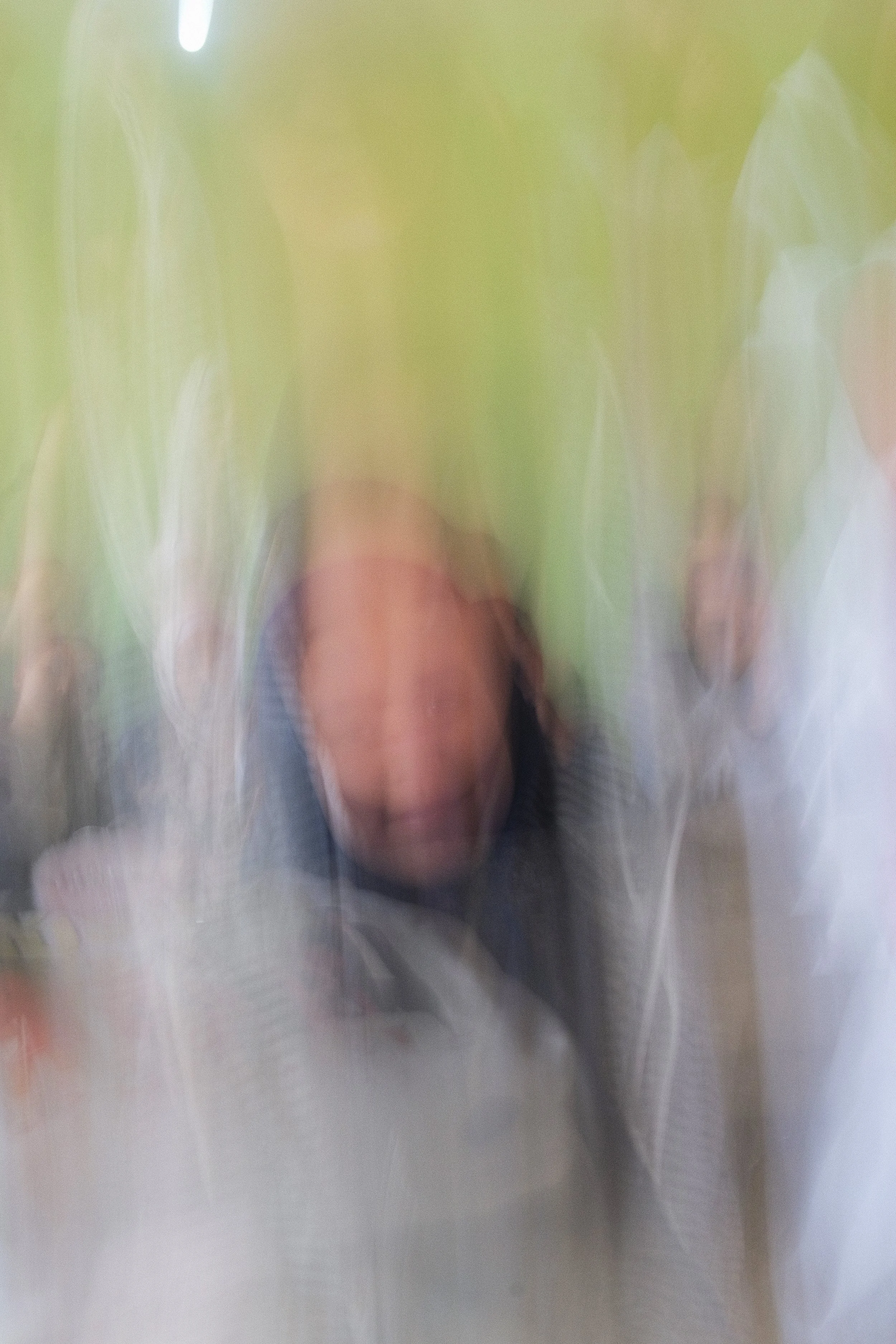
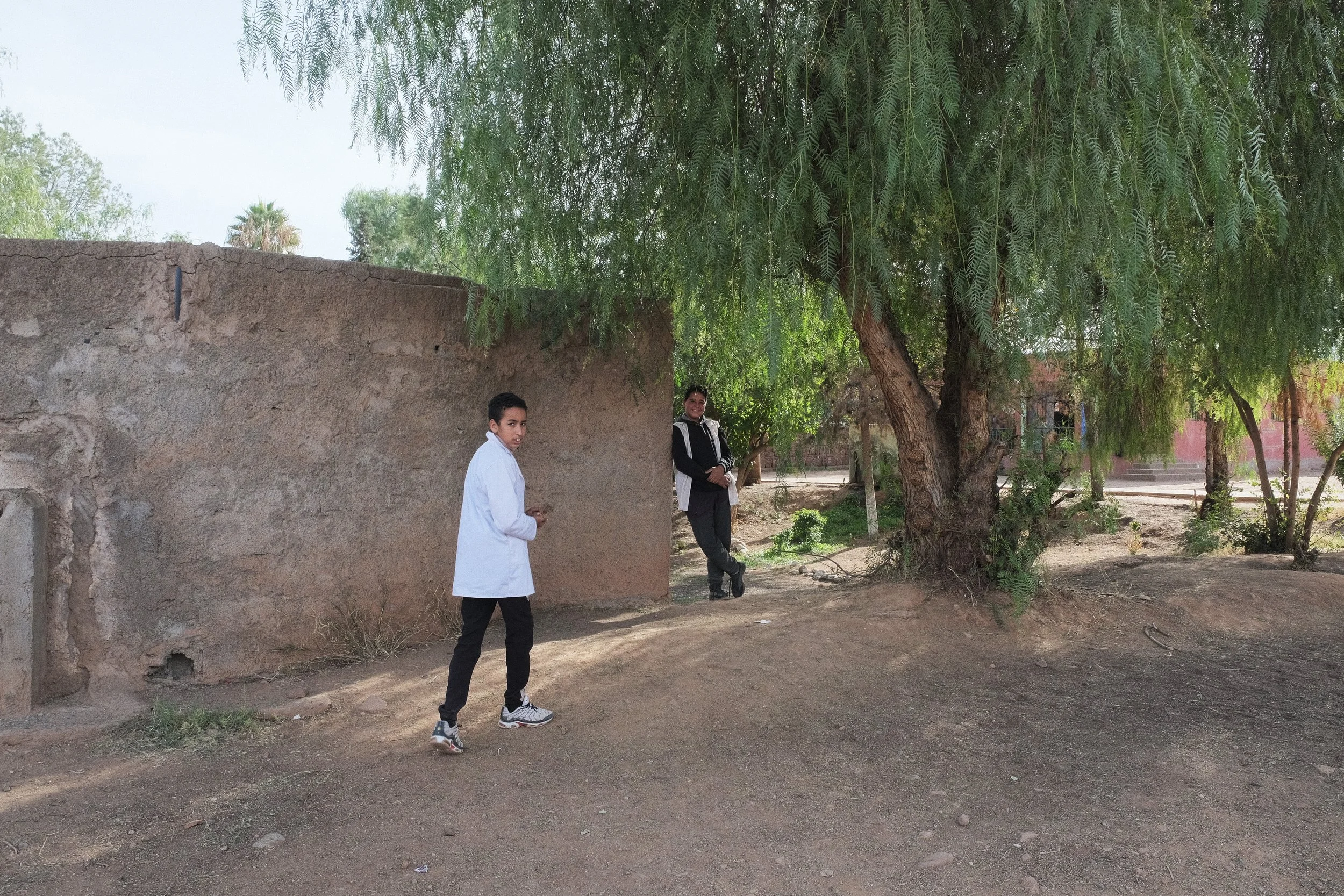
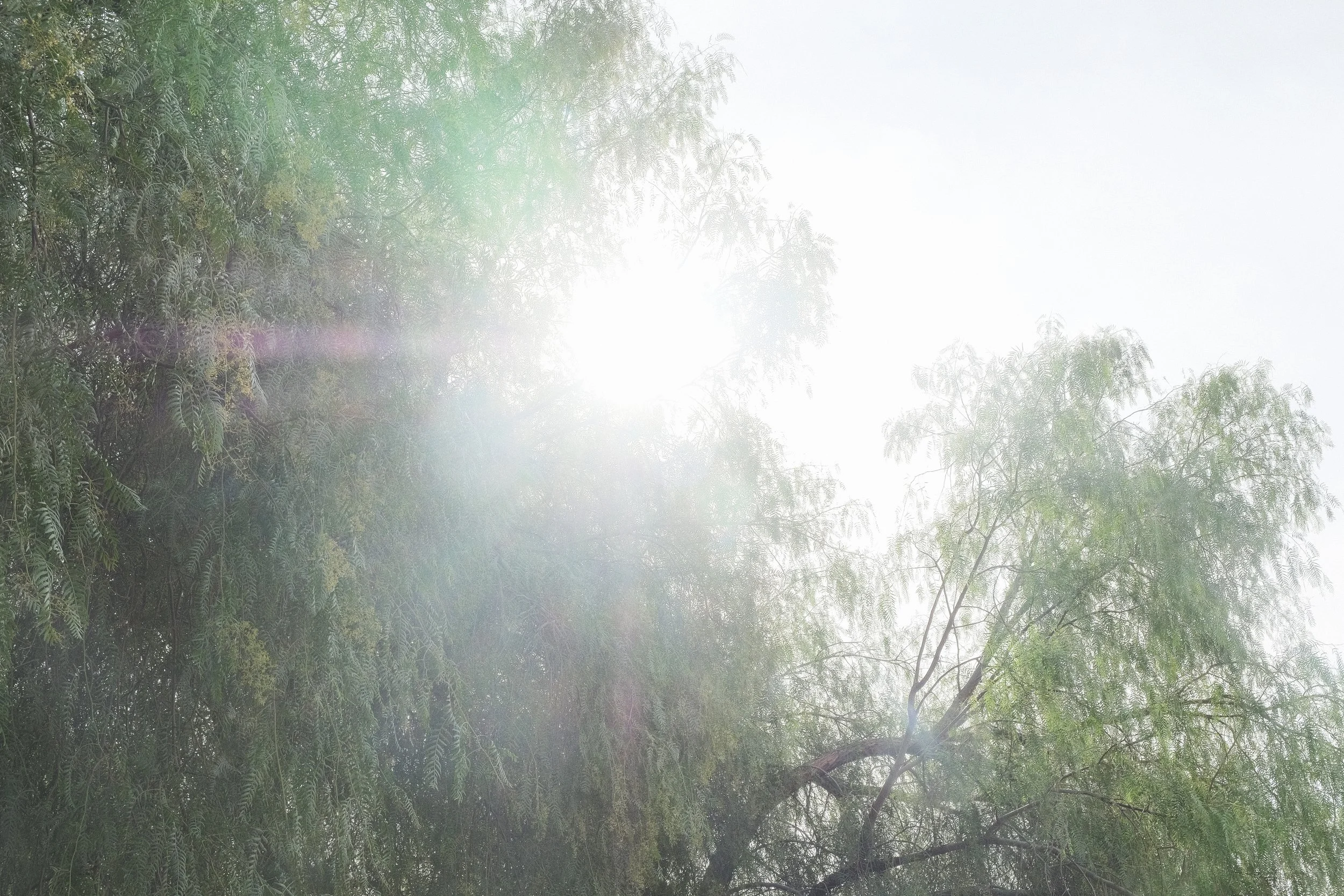
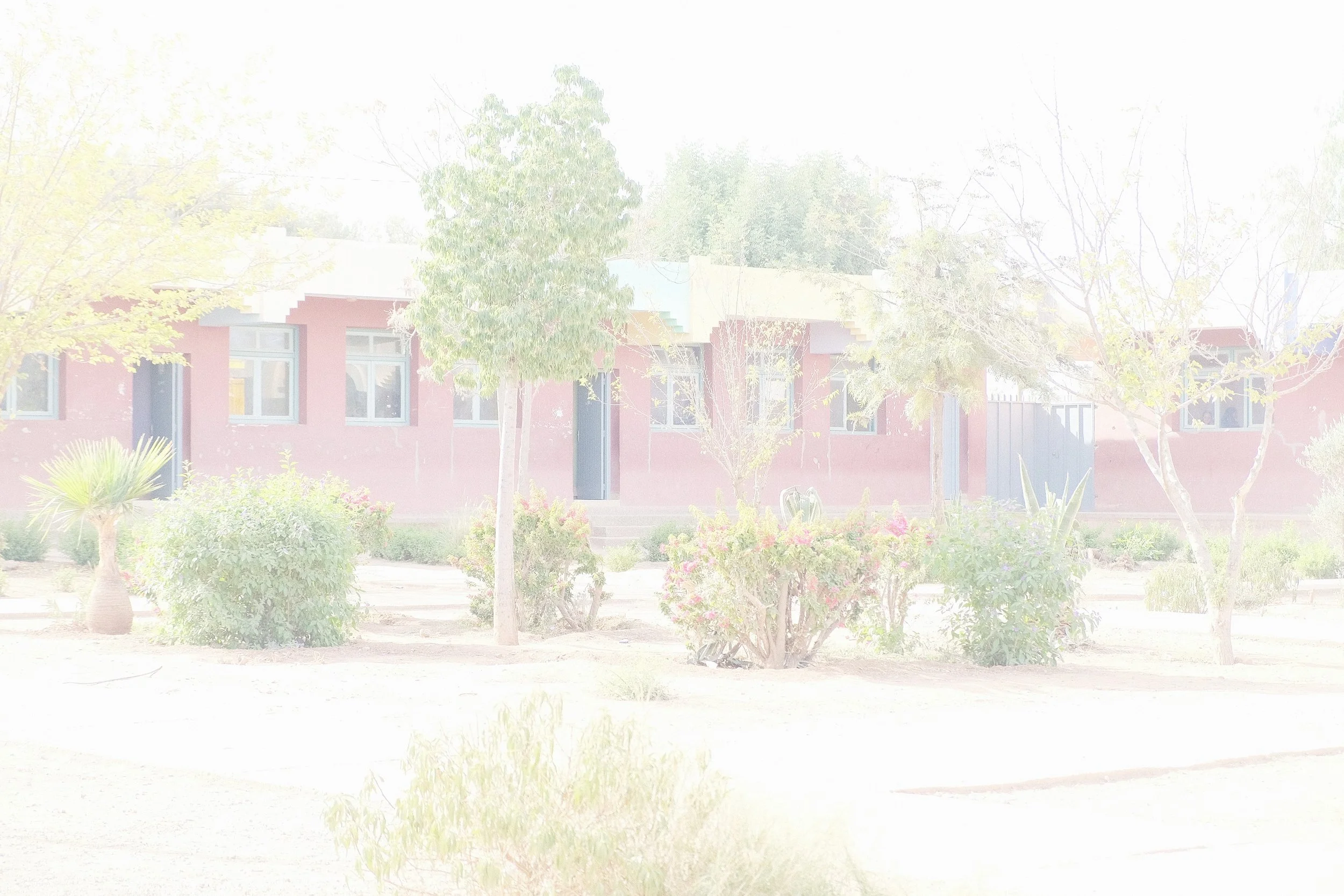
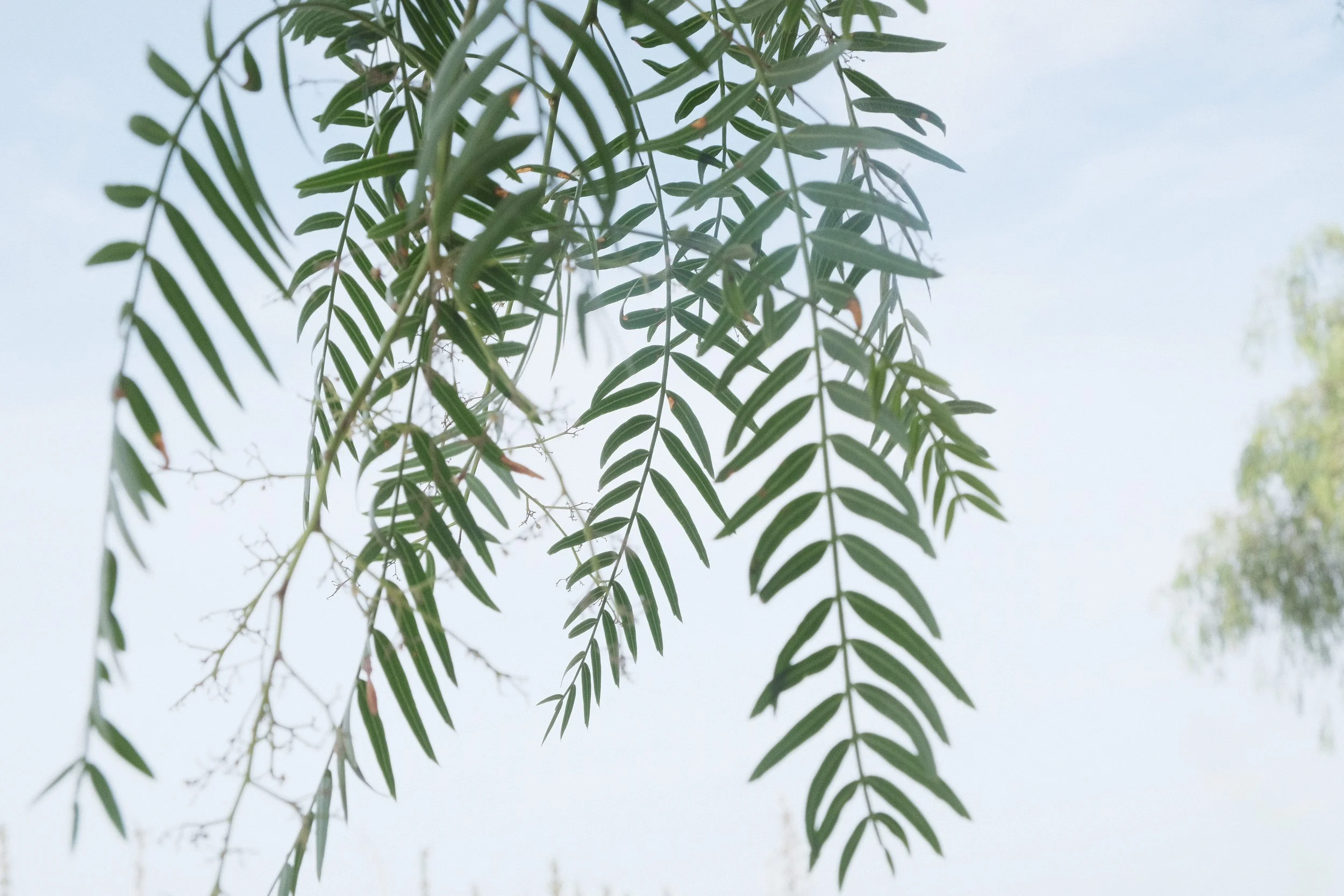
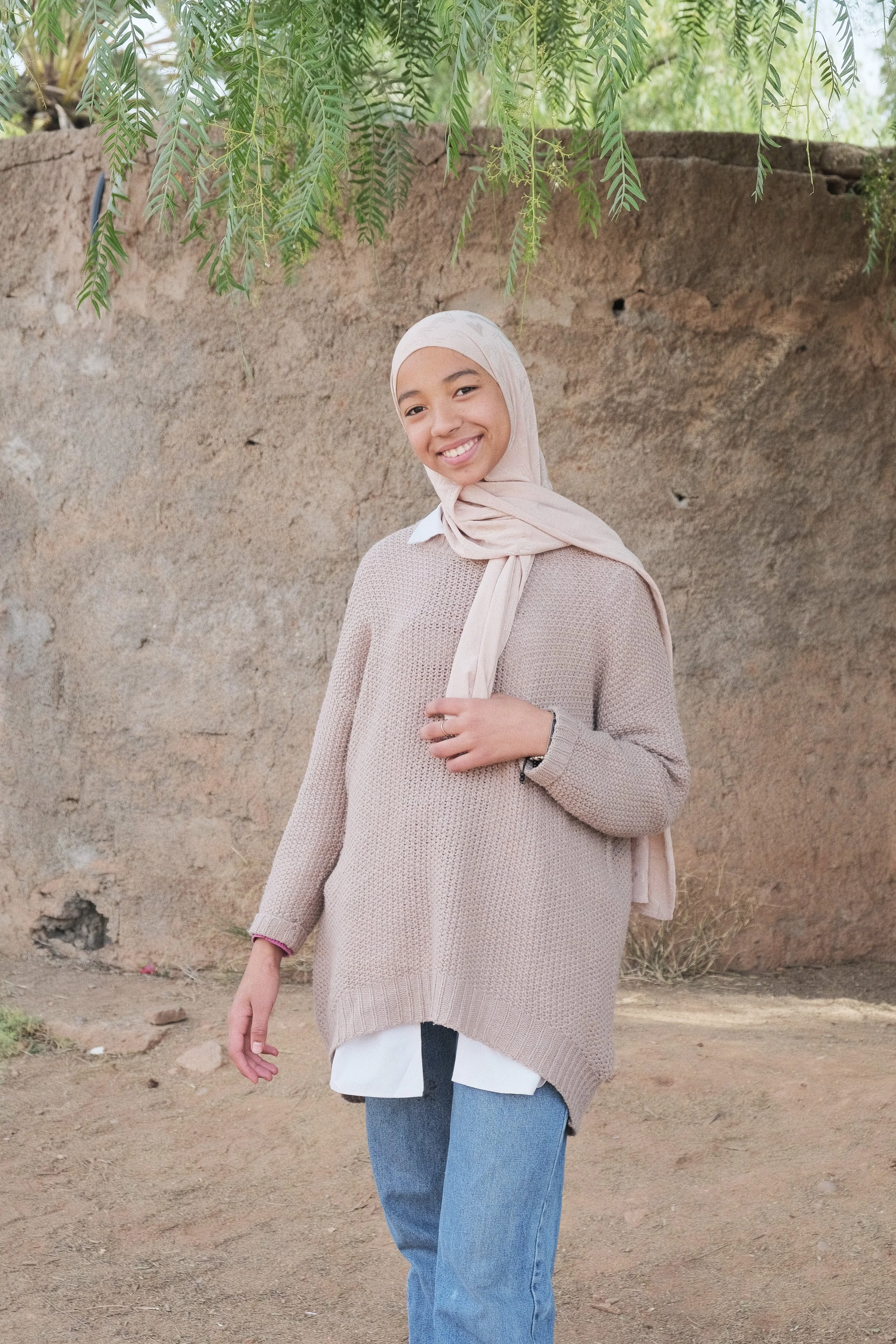
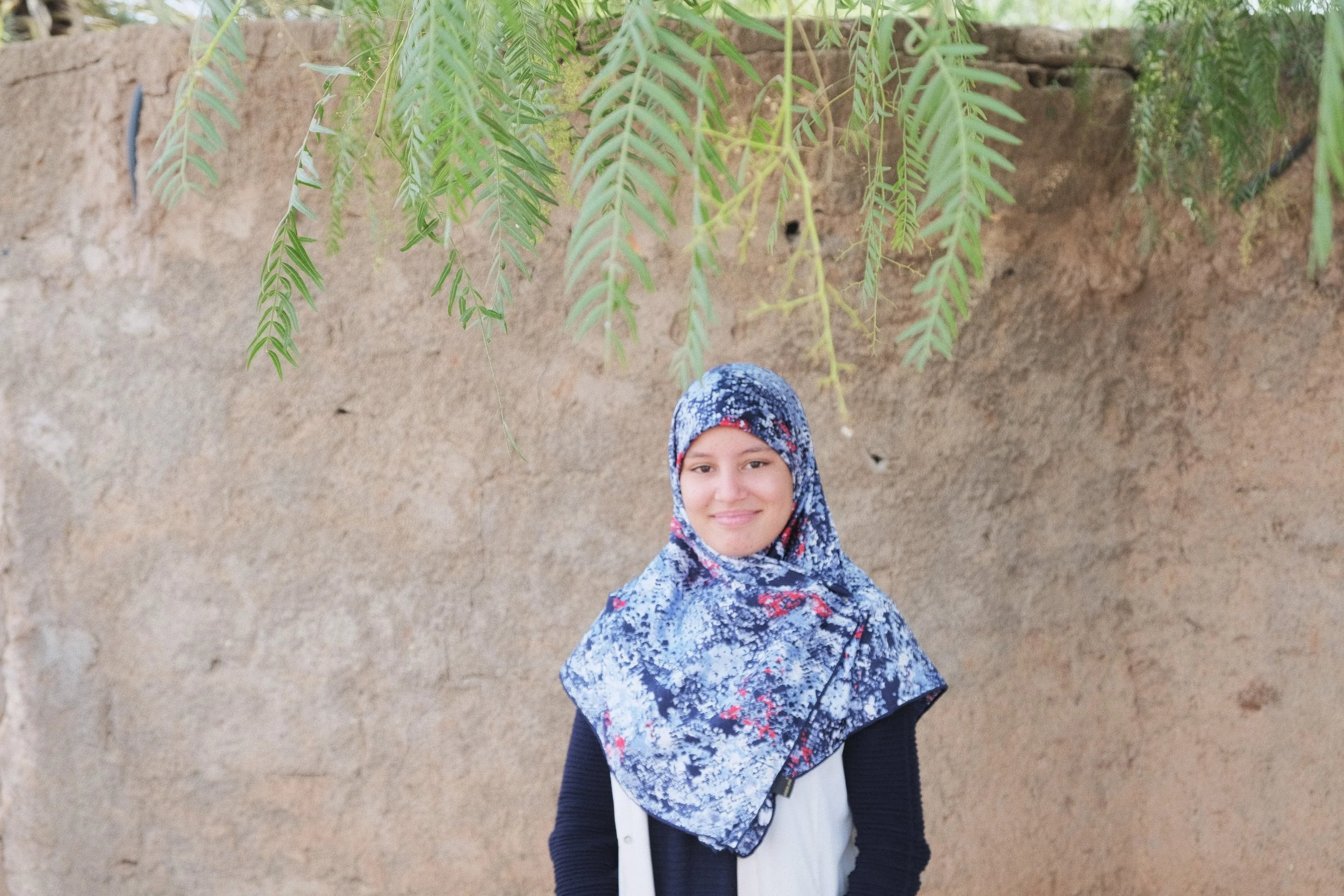
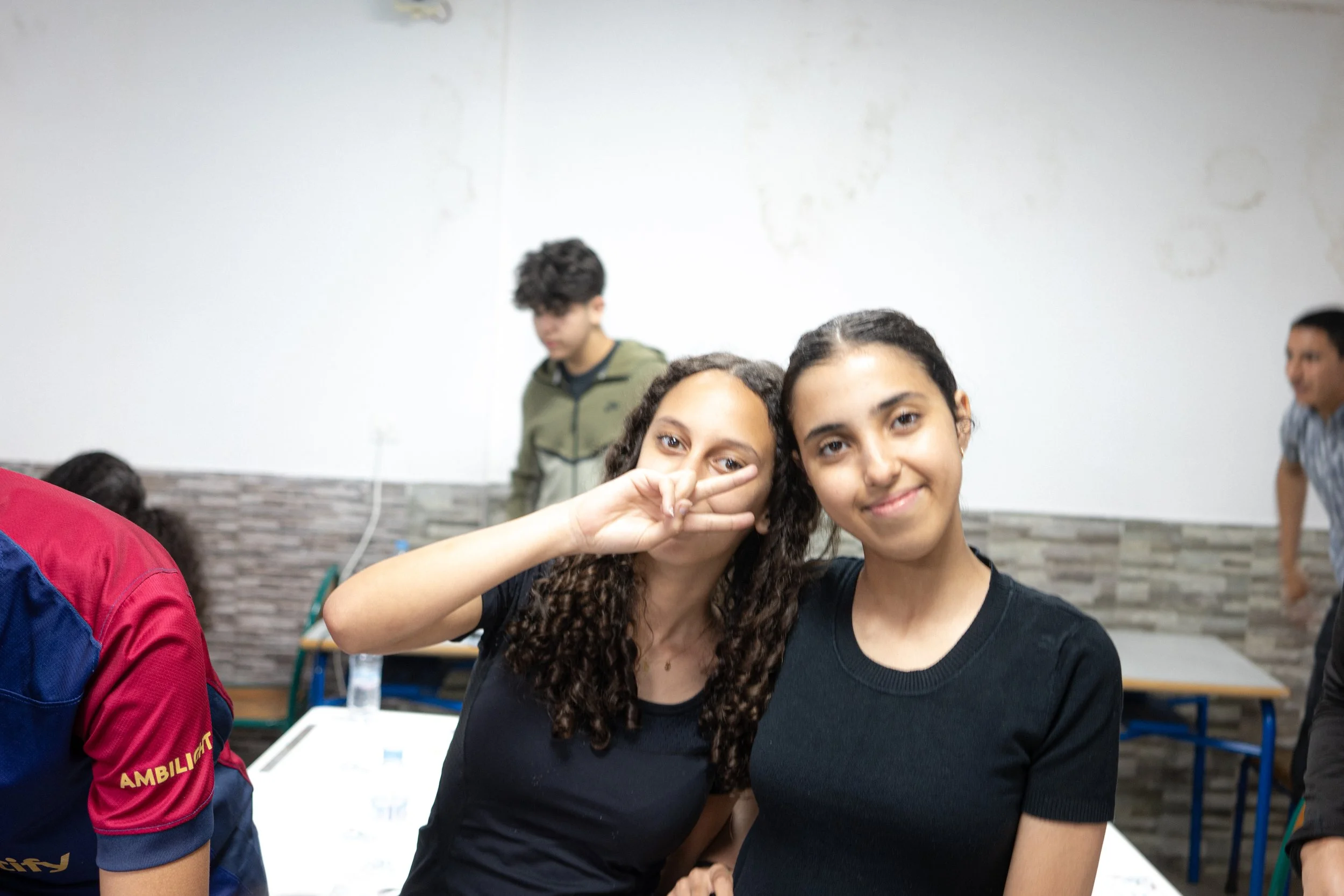
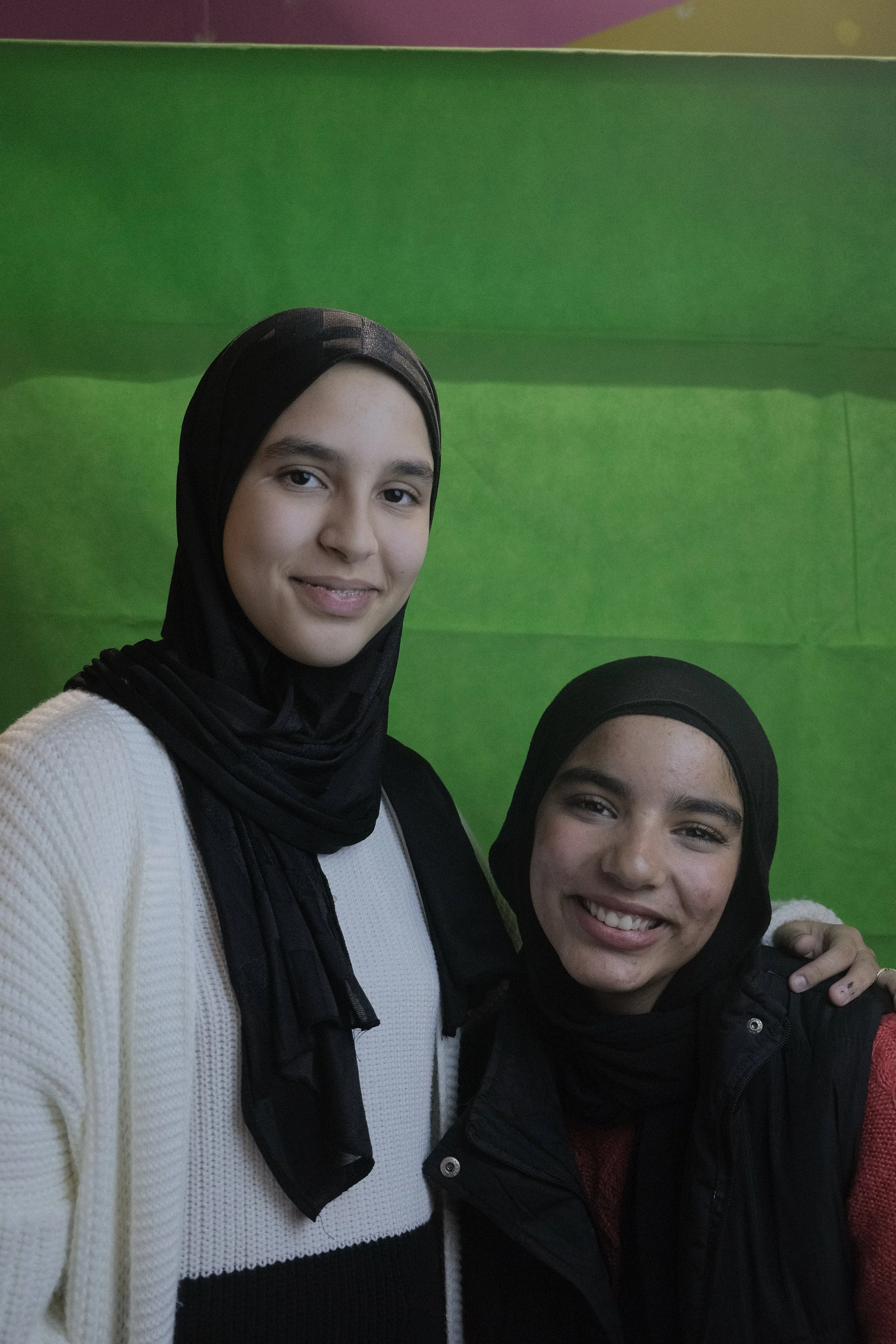
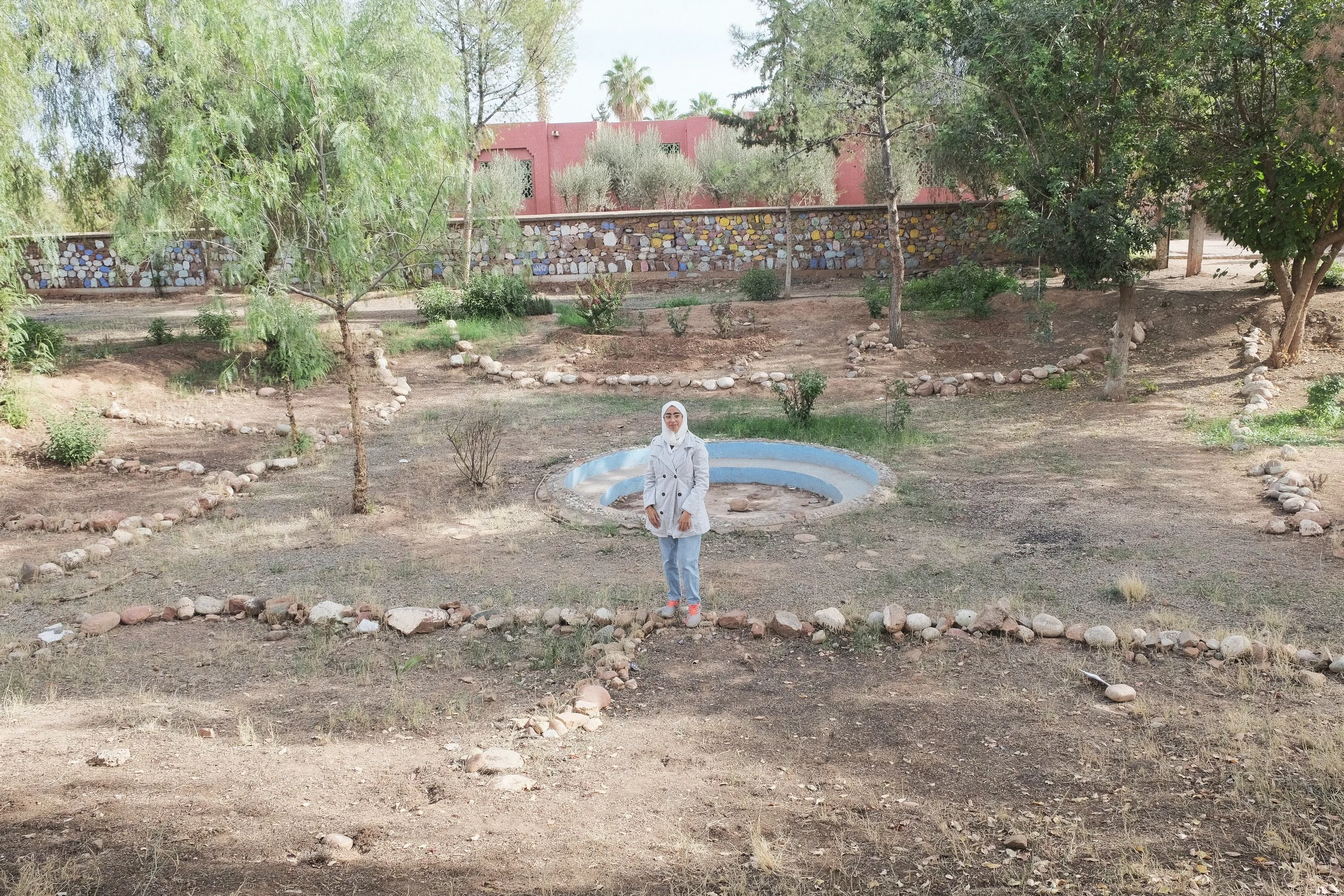
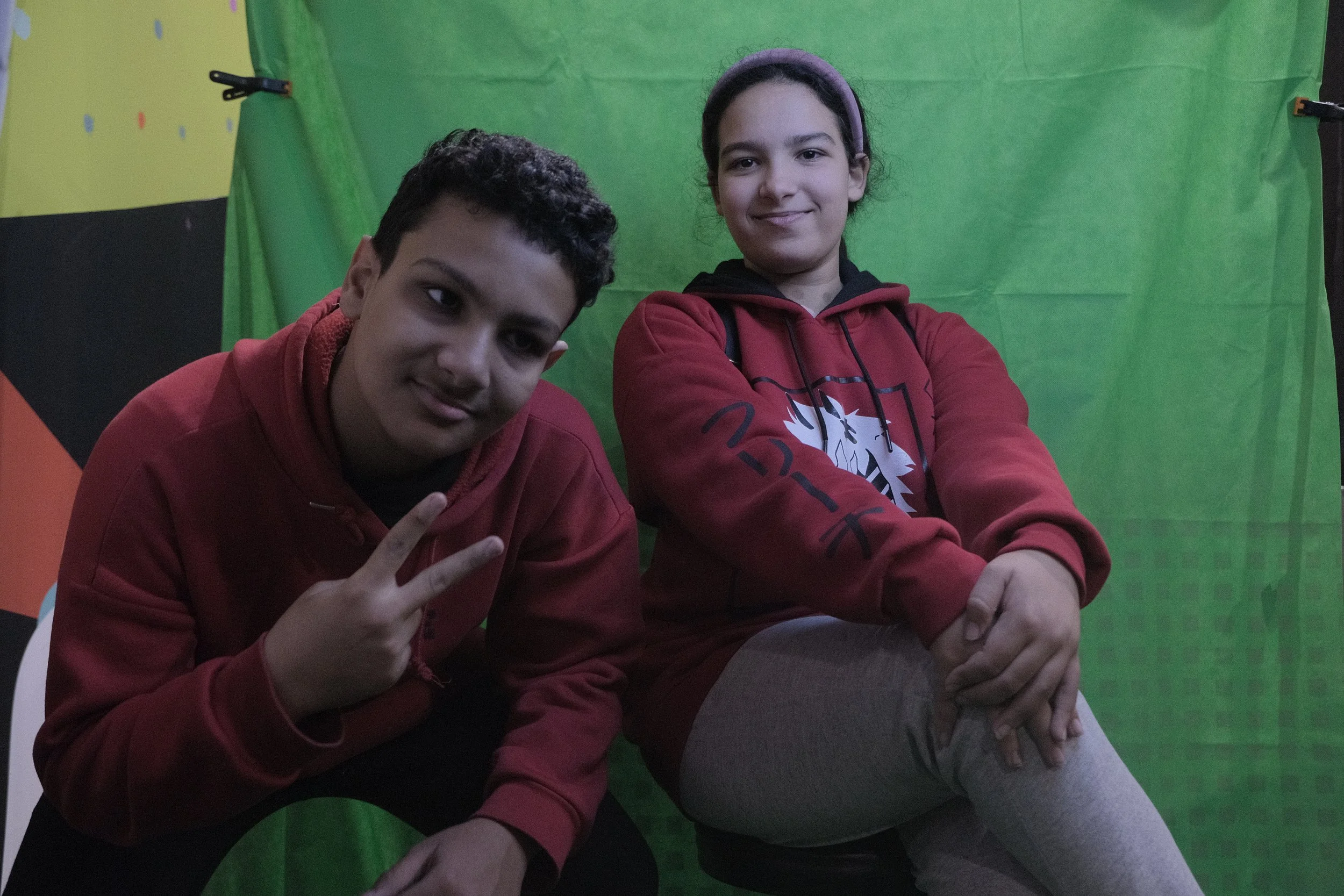
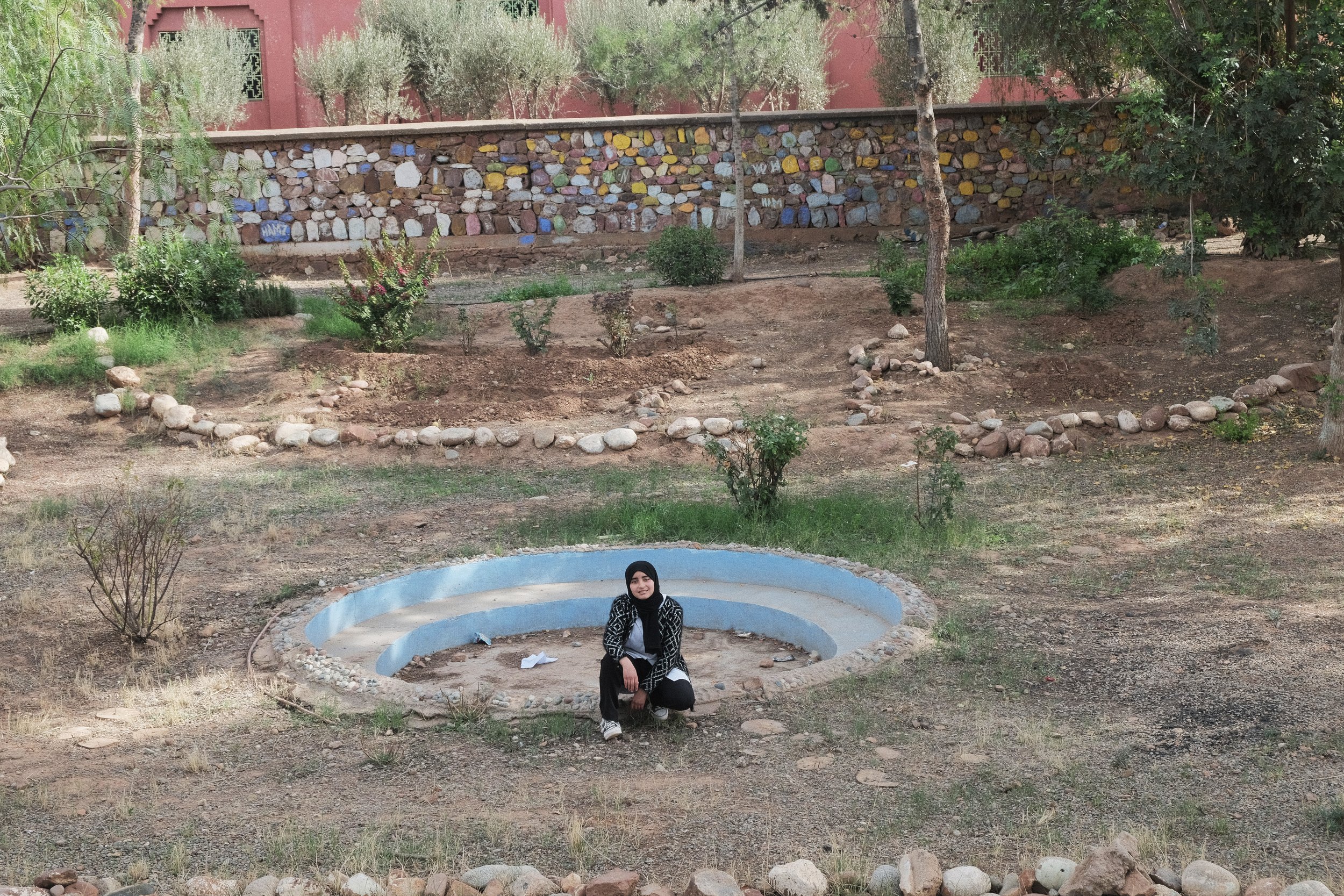
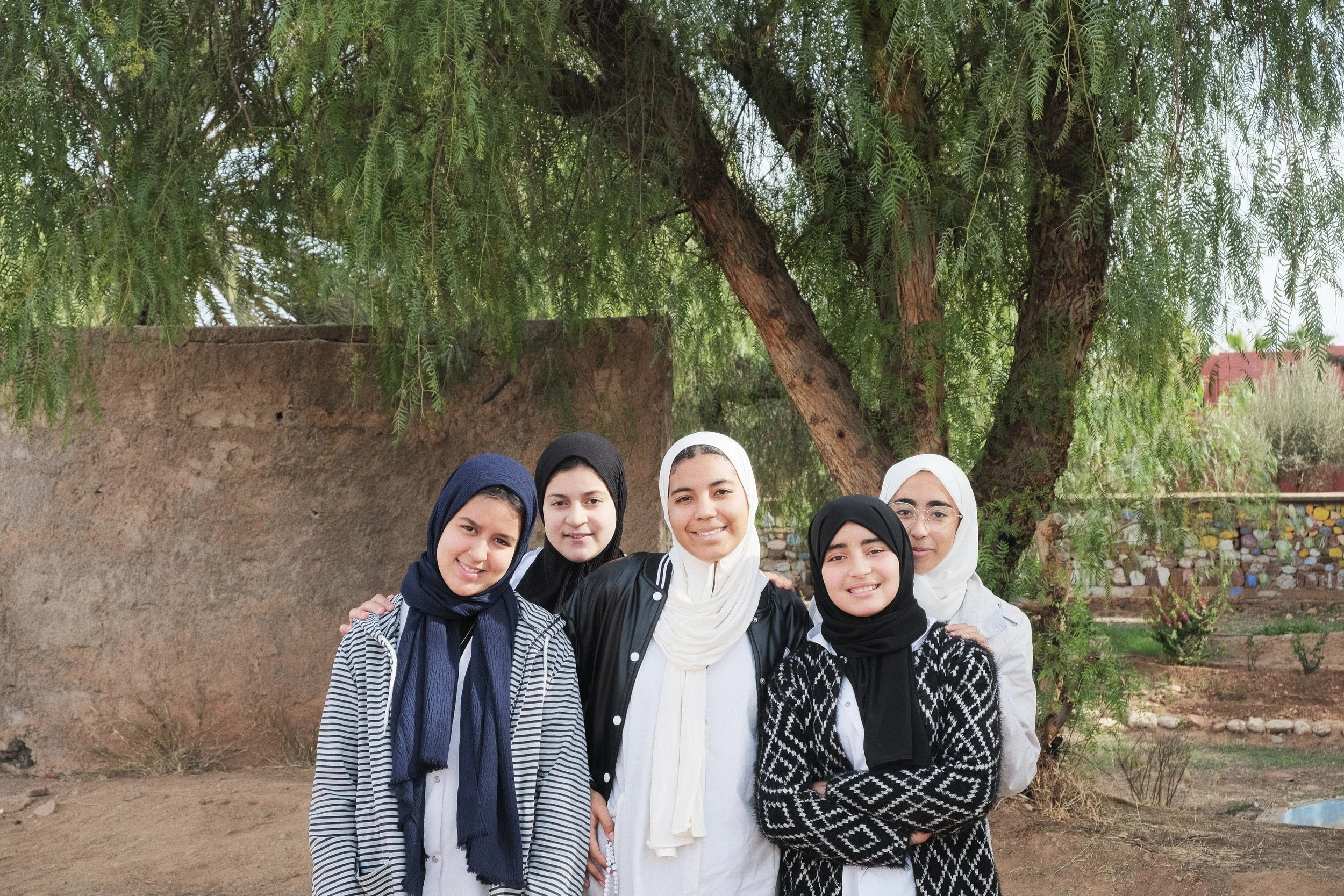
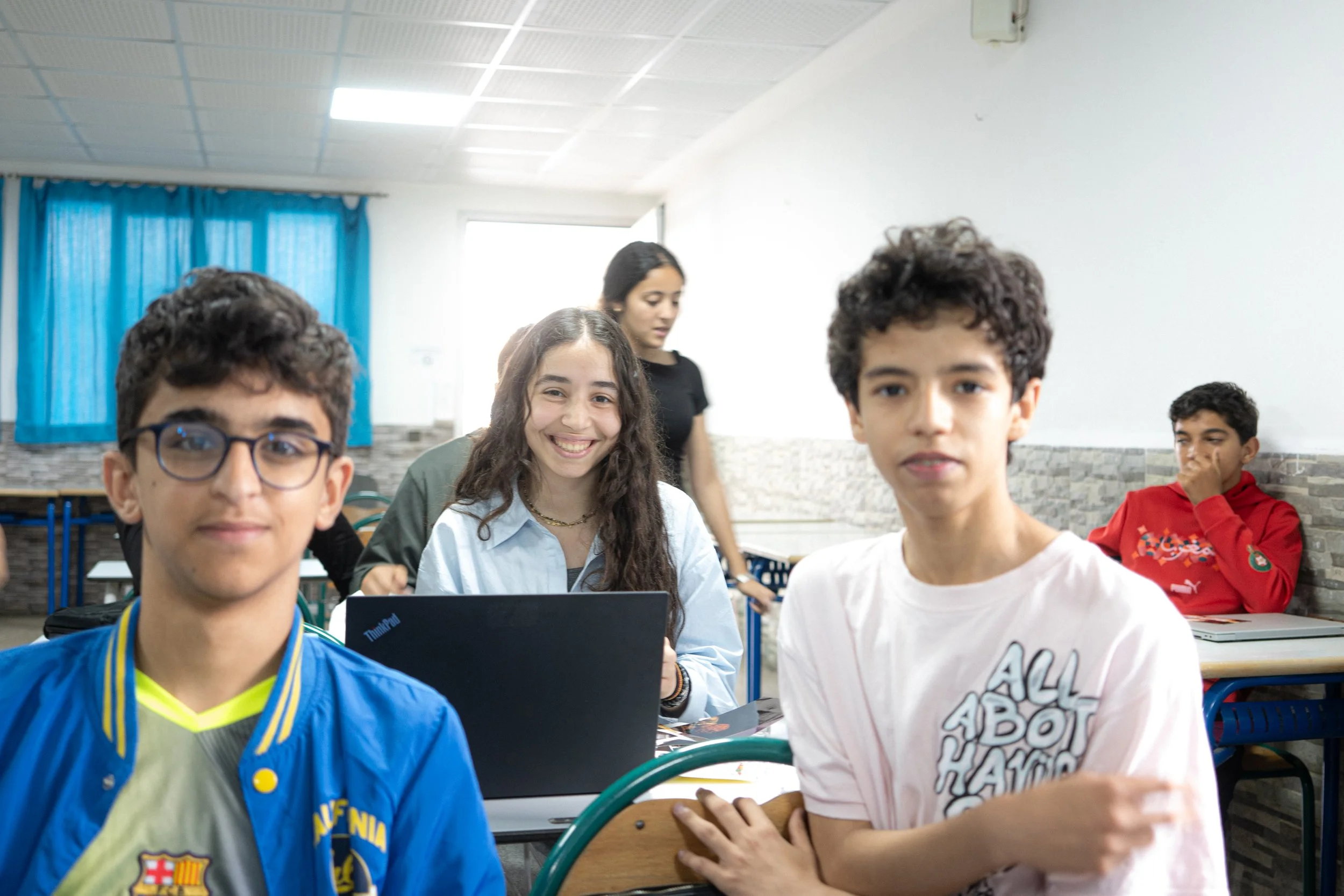
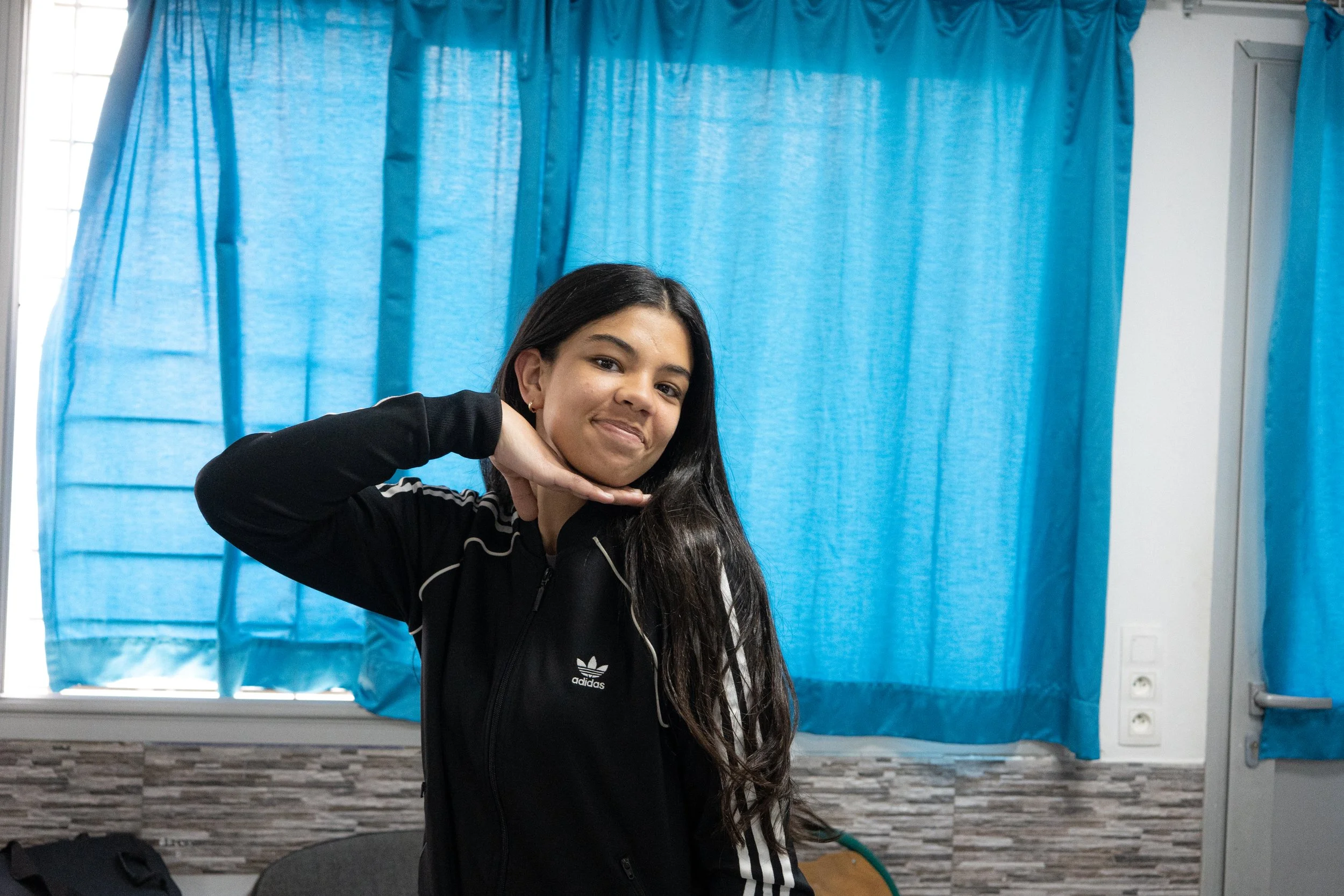
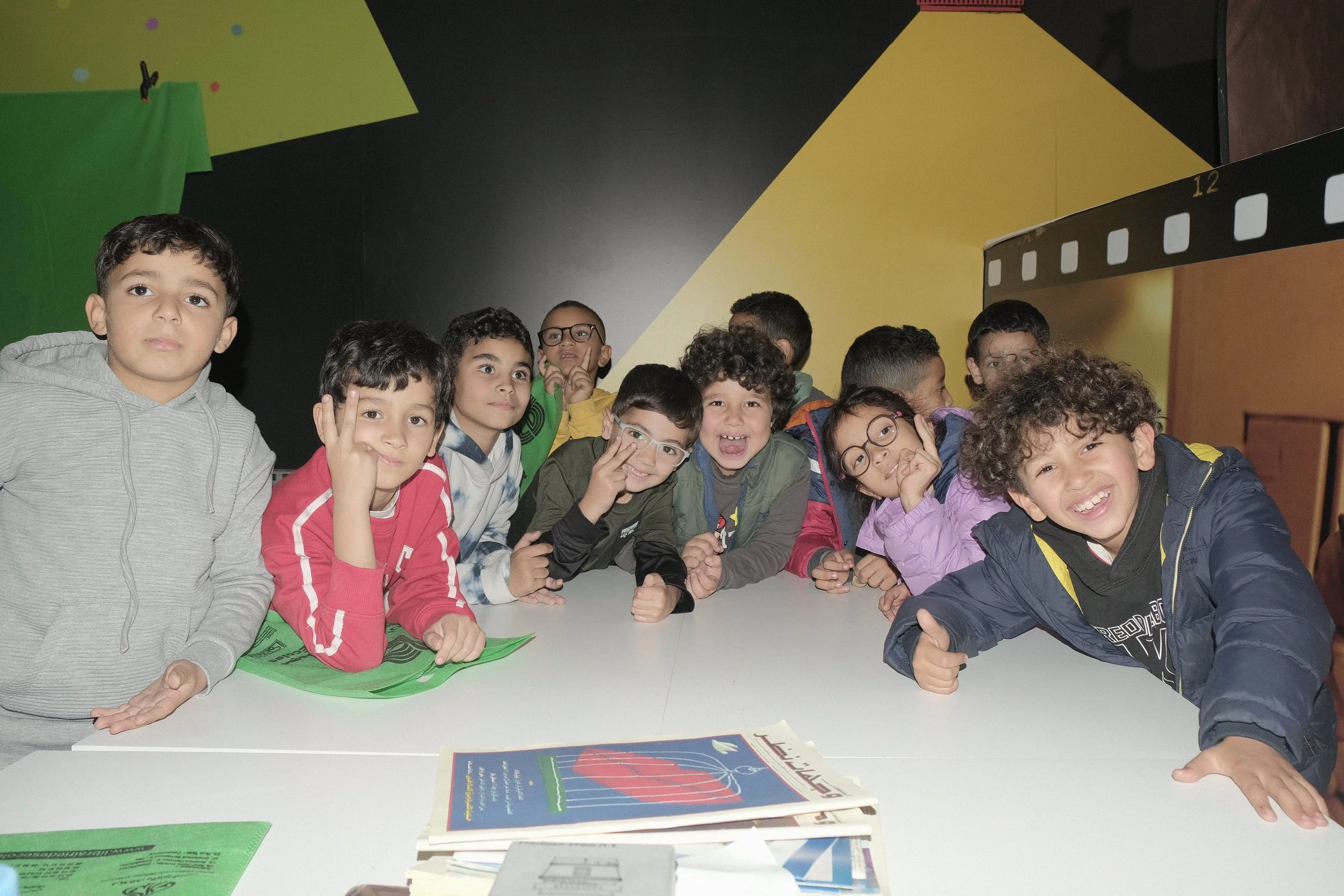
After breaking down the theory, we handed over the cameras. The images below were captured entirely by the students themselves, putting these fundamentals into practice to document their own space and peers.
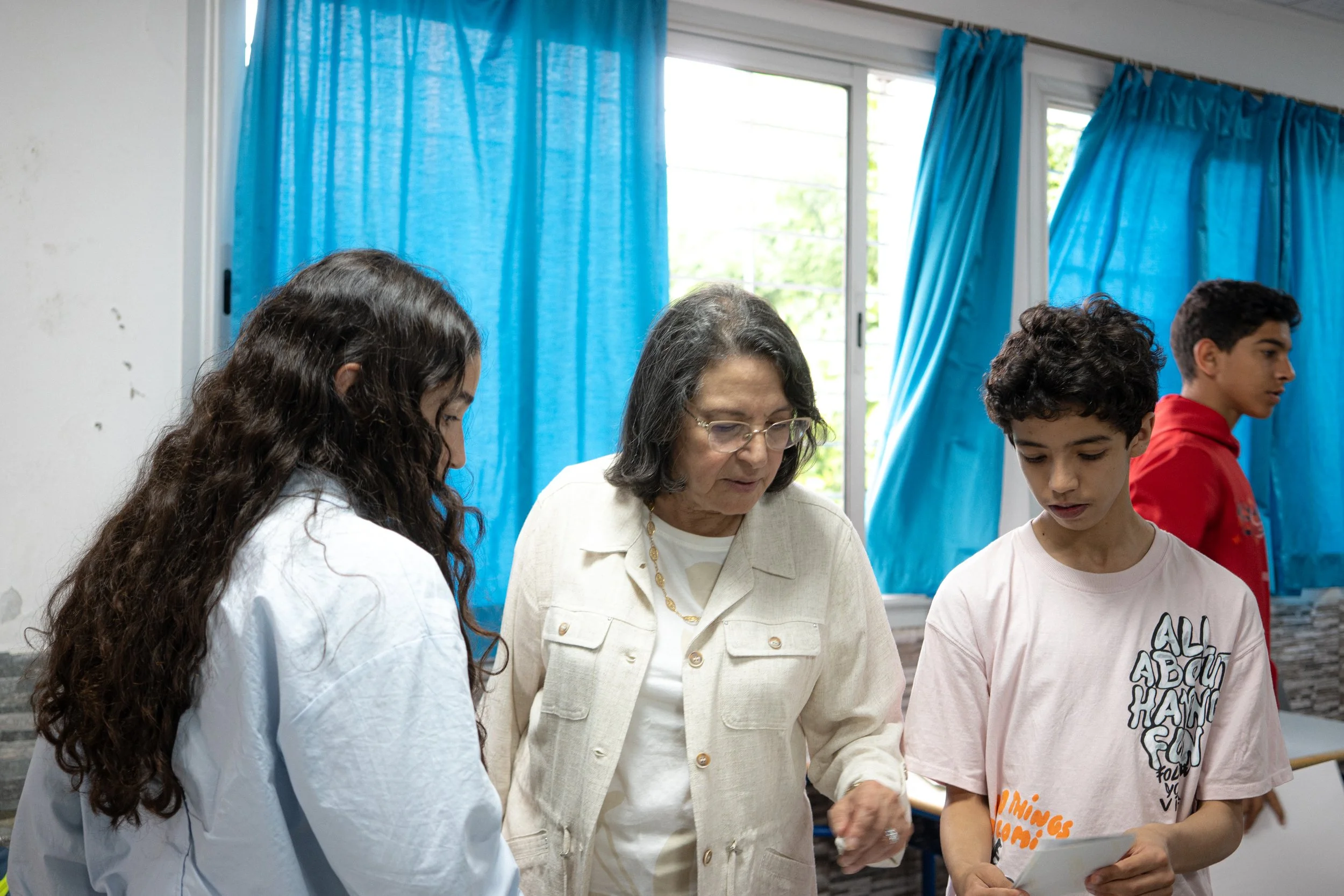
For us, documentation has never been an isolated pursuit. We inherited a deep legacy of transmission from our mentors, and passing that forward is a foundational part of who we are as a collective. We believe that storytelling is meant to be shared, taught, and handed down.
Because of this, our practice naturally extends beyond our own fieldwork. We actively design and facilitate visual storytelling workshops for children and young adults, collaborating closely with NGOs, cultural centers, and community organizations.
A camera is ultimately just a box that records light. Its mechanics are secondary. When we bring these tools into a space, the intention is simply to shift the direction of attention. Rather than arriving with a rigid syllabus on visual storytelling, we focus on demystifying the equipment so that a familiar street corner or a quiet afternoon at home suddenly becomes something worth looking at twice. It is a straightforward exchange: handing over the camera so they can document the texture of their own environment, exactly as they see it, without anyone else translating it for them.
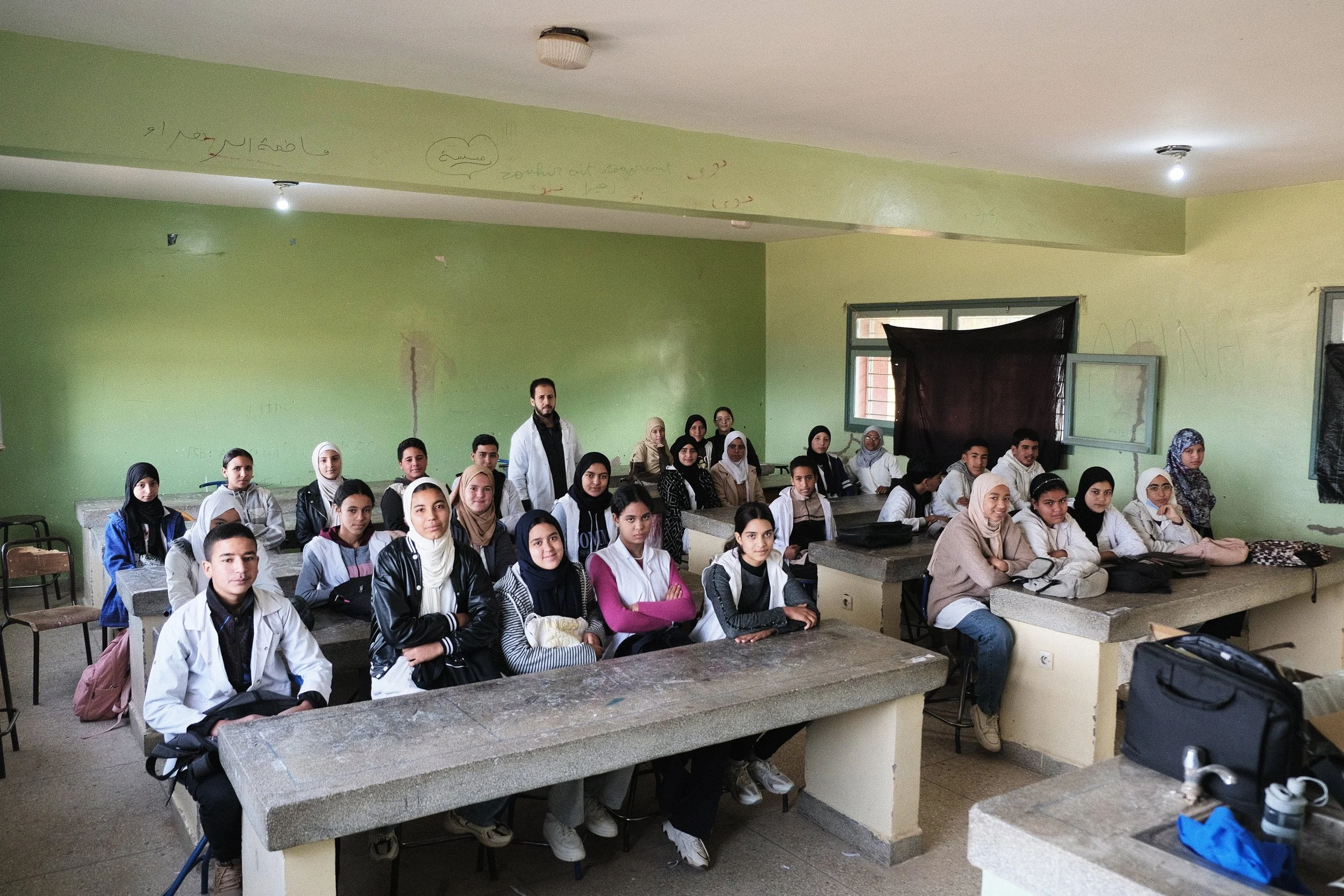
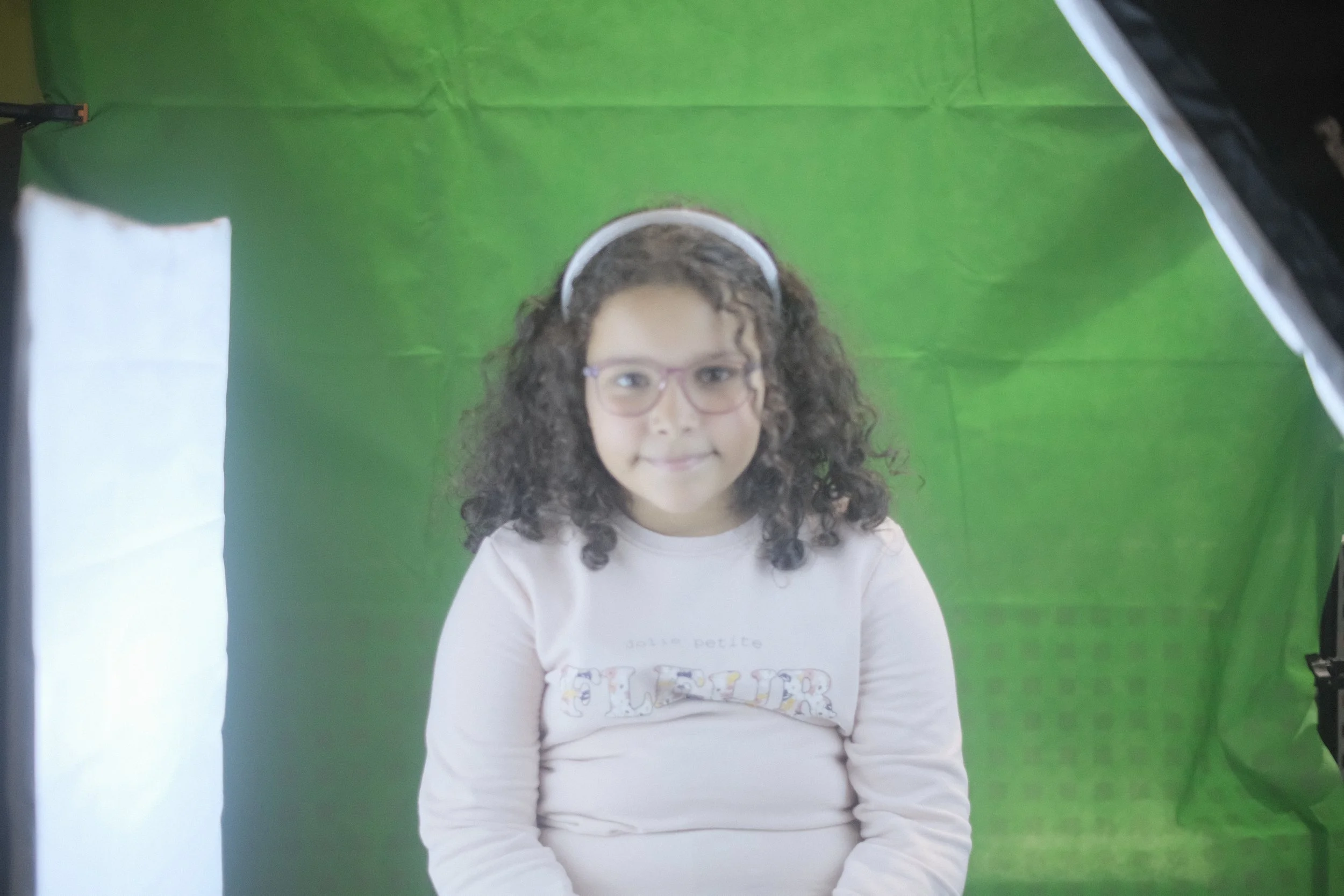
We shape these programs organically to fit the youth we are working with, whether that means a short introductory session in a local neighborhood or a longer, immersive program.
If you are an NGO, a cultural institution, or a community organization interested in building a visual education program together, we would love to hear from you. Reach out to us at collectivewildatheart@gmail.com and let's start a conversation.